zambia

Safari Weather Guide: What to Expect, Month by Month, Region by Region

Safari Weather Guide: What to Expect, Month by Month, Region by Region

Weather is one of the first questions every guest asks us, and one of the hardest to answer in a single sentence, since Africa's climates vary enormously from region to region. This guide breaks things down by destination so you can see, at a glance, what to expect and what to pack.

A quick note before you dive in: weather patterns shift somewhat year to year, so treat these as reliable guidelines rather than guarantees. Altitude also matters more than month alone. A camp on the Ngorongoro Crater rim or in the Laikipia highlands will run colder at night than a camp in a low-lying valley, regardless of season.

Kenya

January to March: Dry, warm, best game viewing. Days 75-85°F, nights 45-55°F. Pack layers, with a light fleece for sunrise drives.

April to May: Long rains, lush and quiet. Days 70-80°F, nights 55-60°F. Pack a rain jacket and waterproof shoes.

June to October: Peak dry season; Migration in the Mara July to September. Days 75-85°F, nights 45-50°F. Pack a warm layer for cold mornings.

November: Short rains, brief afternoon storms. Days 75-82°F, nights 55-60°F. Pack a light rain layer.

December: Dry, warm, busy holiday season. Days 78-85°F, nights 50-55°F. Standard Safari layers.

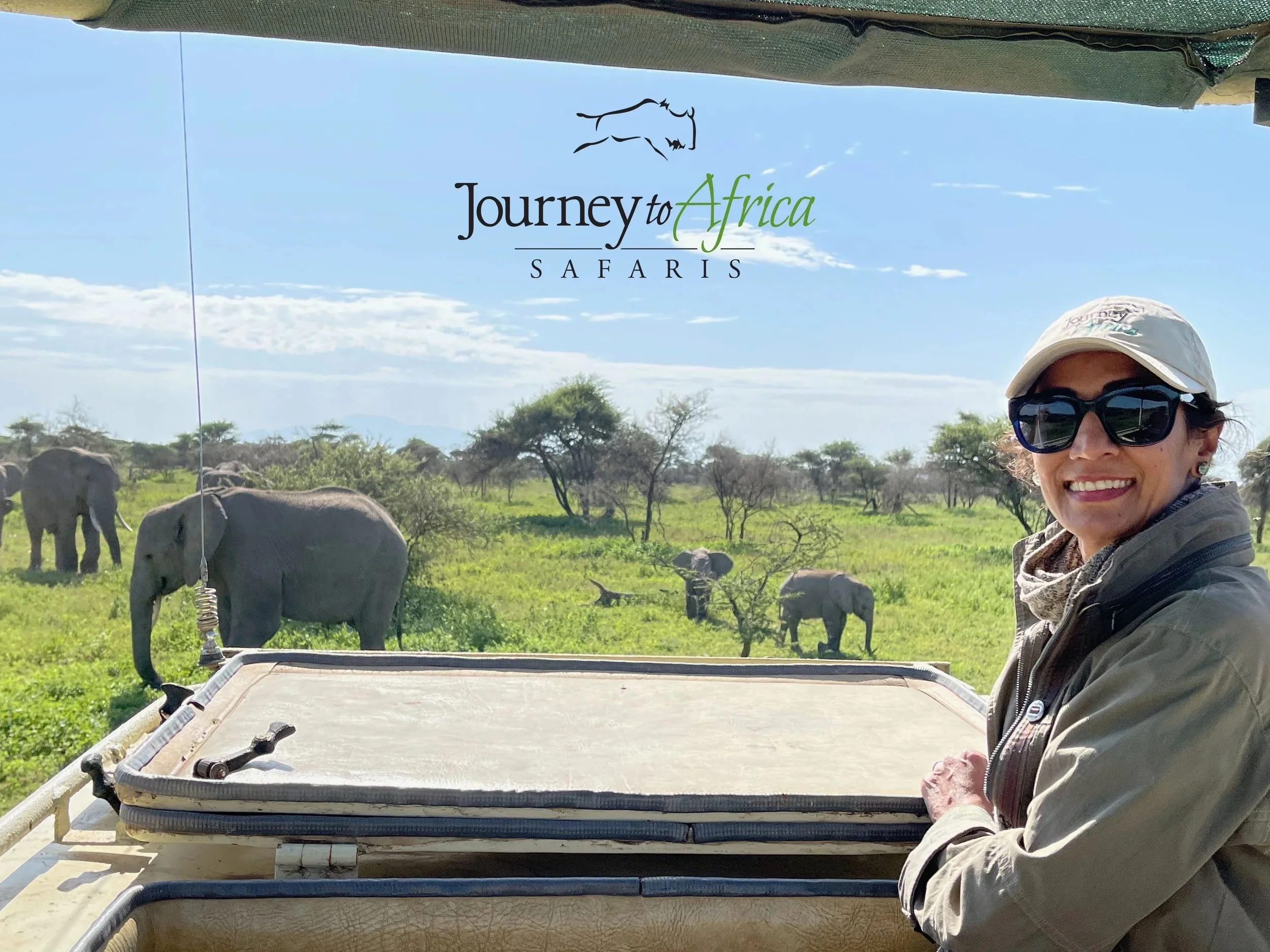
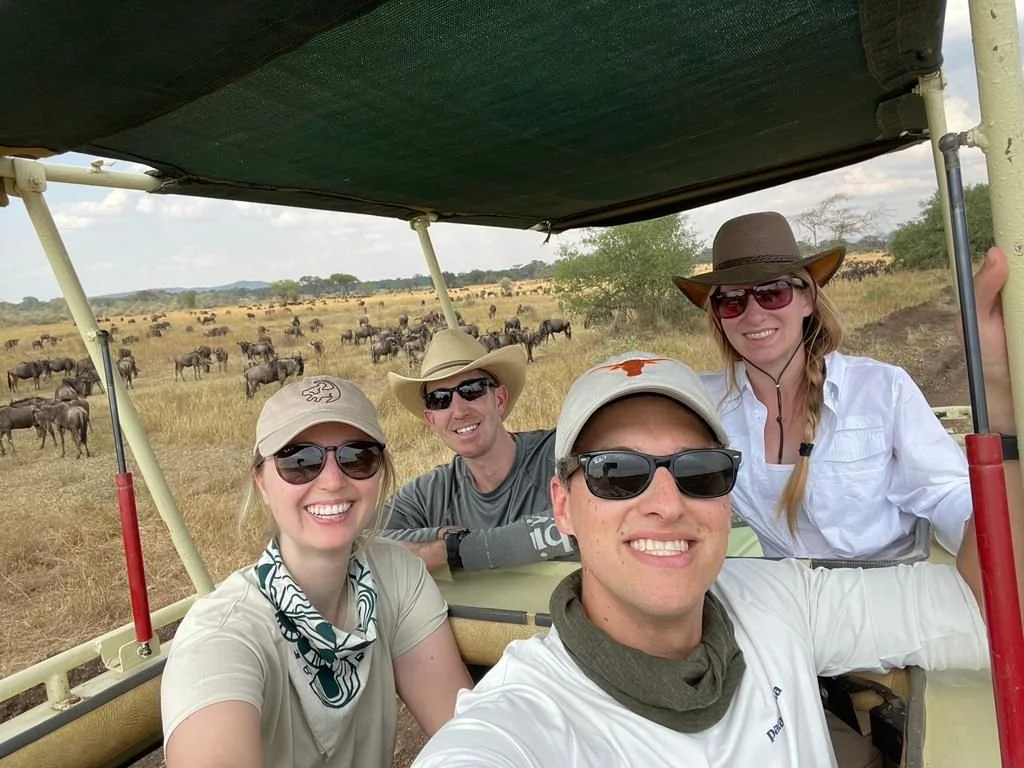
Journey to Africa guests on Safari in the Serengeti in July - layers and sun protection!

Tanzania

January to March: Dry, warm; calving season on the southern plains of the Serengeti. Days 75-85°F, nights 45-55°F. Pack layers, warmer for the Ngorongoro Highlands.

April to May: ‘Green season’ and the wettest months, especially in the north. Days 70-80°F, nights 55-60°F. Pack a rain jacket and waterproof shoes. Still a magical time to be on Safari in Tanzania - fewer crowds, lower rates, amazing birding and stunning green landscapes.

June to October: Dry season; Migration in the Northern Serengeti. Days 75-85°F, nights 40-50°F. Pack a warm layer, essential at Ngorongoro, where nights can drop into the high 30s and 40s.

November: Short rains, quick green-up. Days 75-82°F, nights 55-60°F. Pack a light rain layer.

December: Dry, warm; herds move south. Days 78-85°F, nights 50-55°F. Standard Safari layers.

Coastal Kenya and Tanzania (Zanzibar, Lamu, Diani)

January to March: Hot, dry, and generally the best beach weather. Days 85-92°F, nights 75-78°F. Pack light fabrics and strong sun protection.

April to early June: Long rains, most pronounced on the coast. Days 82-88°F, nights 74-78°F. Pack a rain layer; many properties close.

Late June to October: Dry, breezy ‘kusi’ winds. Days 82-88°F, nights 72-76°F. Pack light layers and a windbreaker for boat trips.

November: Short rains, brief showers that typically clear up quickly. Days 84-90°F, nights 74-78°F. Pack a light rain layer.

December: Warm, humid, calm seas with the ‘kaskazi’ winds. Days 85-90°F, nights 75-78°F. Pack light fabrics and sun protection.

Botswana

January to March: Green season, afternoon storms, dispersed wildlife but stunning. Days 85-95°F, nights 65-70°F. Pack light layers and a rain jacket.

April to May: Rains ease, Delta floodwaters arrive from the Angola Highlands. Days 80-88°F, nights 55-65°F. Pack light layers for the day and a warm layer for evenings.

June to August: Peak dry season and winter; the Delta is at its fullest. Days 70-75°F, nights 32-40°F. Pack a heavy jacket, hat, and gloves for dawn starts and open vehicles.

September to October: Hottest, driest time; wildlife gathers at waterholes. Days 95-105°F+, nights 60-70°F. Pack light, breathable clothing and strong sun protection.

November to December: Build-up to the rains, heat and humidity rising. Days 88-95°F, nights 68-75°F. Pack light layers and a rain jacket.

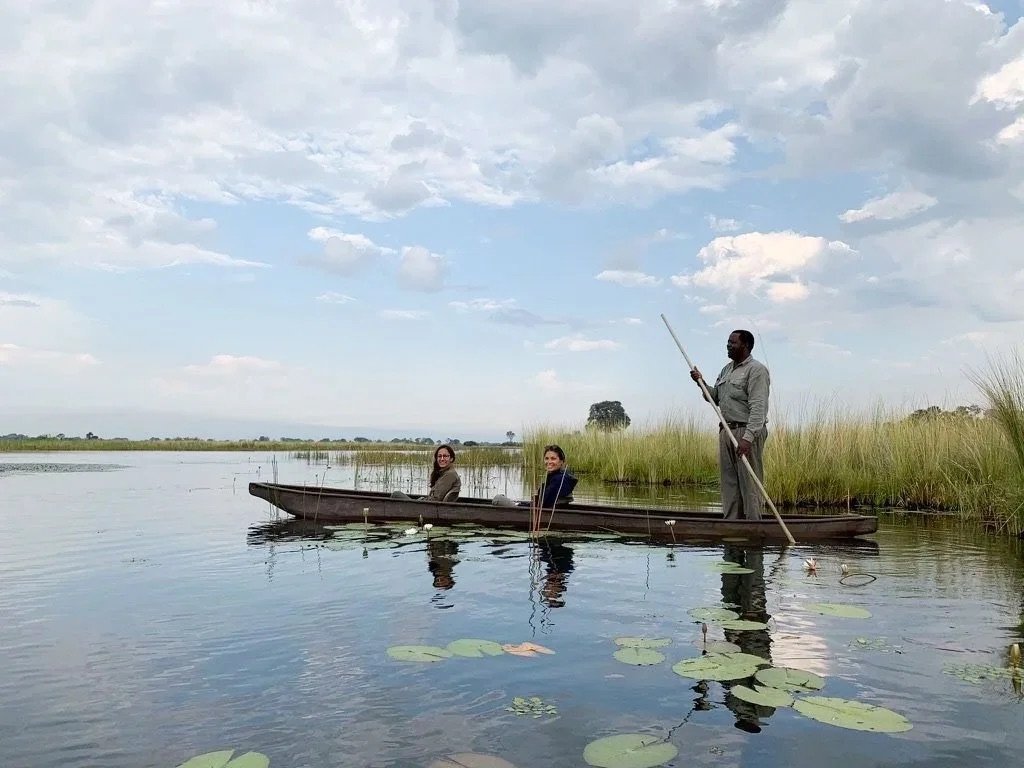
Mefi in the Delta in November! Green season. Stunning!

Zambia and Victoria Falls

January to March: Rainy season, most camps are closed; Falls near peak flow. Days 80-88°F, nights 68-72°F. Pack a rain jacket, plus a poncho at the Falls.

April to June: Rains ease, camps reopen; Falls at peak to high water. Days 78-85°F, nights 55-65°F. Pack a warm layer for mornings and a poncho at the Falls.

July to October: Prime dry season; Falls water drops to its lowest by October. Days 78-90°F, nights 40-55°F. Pack a warm layer for early walks, shifting to light clothing by September and October, when daytime highs often exceed 100°F.

November to December: First rains, rising heat; Falls water rising again. Days 85-92°F, nights 65-72°F. Pack light layers and a rain jacket.

Mefi having a dip at Devils Pool!

Cape Town and South Africa (Kruger and Eastern Cape)

January to March: Cape Town enjoys peak summer, hot and dry, while Kruger sees its rainy season, hot and green. Kruger days 85-92°F, nights 65-70°F. Pack light clothing and a rain layer for the Safari leg.

April to May: Cape Town's mild, quiet autumn; Kruger drying out with improving game viewing. Kruger days 78-85°F, nights 55-62°F. Pack light layers.

June to August: Cape Town's cool, rainy winter, also whale watching season; Kruger's peak dry season and best game viewing. Kruger days 70-75°F, nights 32-40°F. Pack a warm layer for cold Safari mornings.

September to October: Cape Town's mild spring with wildflowers; Kruger region stays dry and hot with excellent game viewing. Kruger days 82-90°F, nights 50-58°F. Pack light layers, and warmer layers for early drives.

November to December: Cape Town's warm, busy summer; Kruger's first rains and rising humidity. Kruger days 85-92°F, nights 62-68°F. Pack light clothing and a rain layer.

Journey to Africa guests Dr Hendricks & Vicki in Cape Town in August 2025

Uganda and Rwanda: Gorilla and Chimpanzee Trekking

January to February: Short dry spell, one of the best trekking windows. Days 70-78°F, nights 50-58°F.

March to May: Long rains, muddiest trails, quieter. Days 68-75°F, nights 55-60°F.

June to September: Primary dry season, most popular; book permits early. Days 72-78°F, nights 50-58°F.

October to November: Short rains, wetter but manageable. Days 70-76°F, nights 52-58°F.

December: Brief drier window, increasingly popular for holiday travel. Days 70-78°F, nights 50-58°F.

*Rain gear matters more than temperature here. Pack a waterproof jacket, waterproof trousers or gaiters, sturdy waterproof boots, and gardening-style gloves for pushing through nettles, regardless of season.

Combining regions? Many of our favorite itineraries do just that, and part of the planning is making sure each leg lands in its own sweet spot, whether that's a Kenya and Zanzibar combination in February or a Botswana and Cape Town journey in September. Get in touch and we will help you find your perfect window.