Botswana: Delta Dreams and Desert Delights

Dumela!

There's something about Botswana that takes hold of your soul and doesn't let go. Maybe it's the quiet glide of a mokoro through golden reeds. Maybe it's the sudden stillness before lions emerge from the brush. Or maybe it's that feeling — coffee in hand at sunrise, nothing in sight but floodplains bathed in morning light — where you realize the world is bigger and wilder and more extraordinary than you ever gave it credit for.

Botswana started as a daunting destination for me. Early in my career as a Safari designer, I didn't know it as well as my home of East Africa, and it felt complex. But over the years I've visited, tried and tested many of the top camps and lodges, found our favorites, and it has slowly become one of the most rewarding Safaris to put together. Now so many of our guests are choosing it — and I couldn't be more thrilled.

If Botswana isn't on your Safari list yet, let me change that.

Mefi
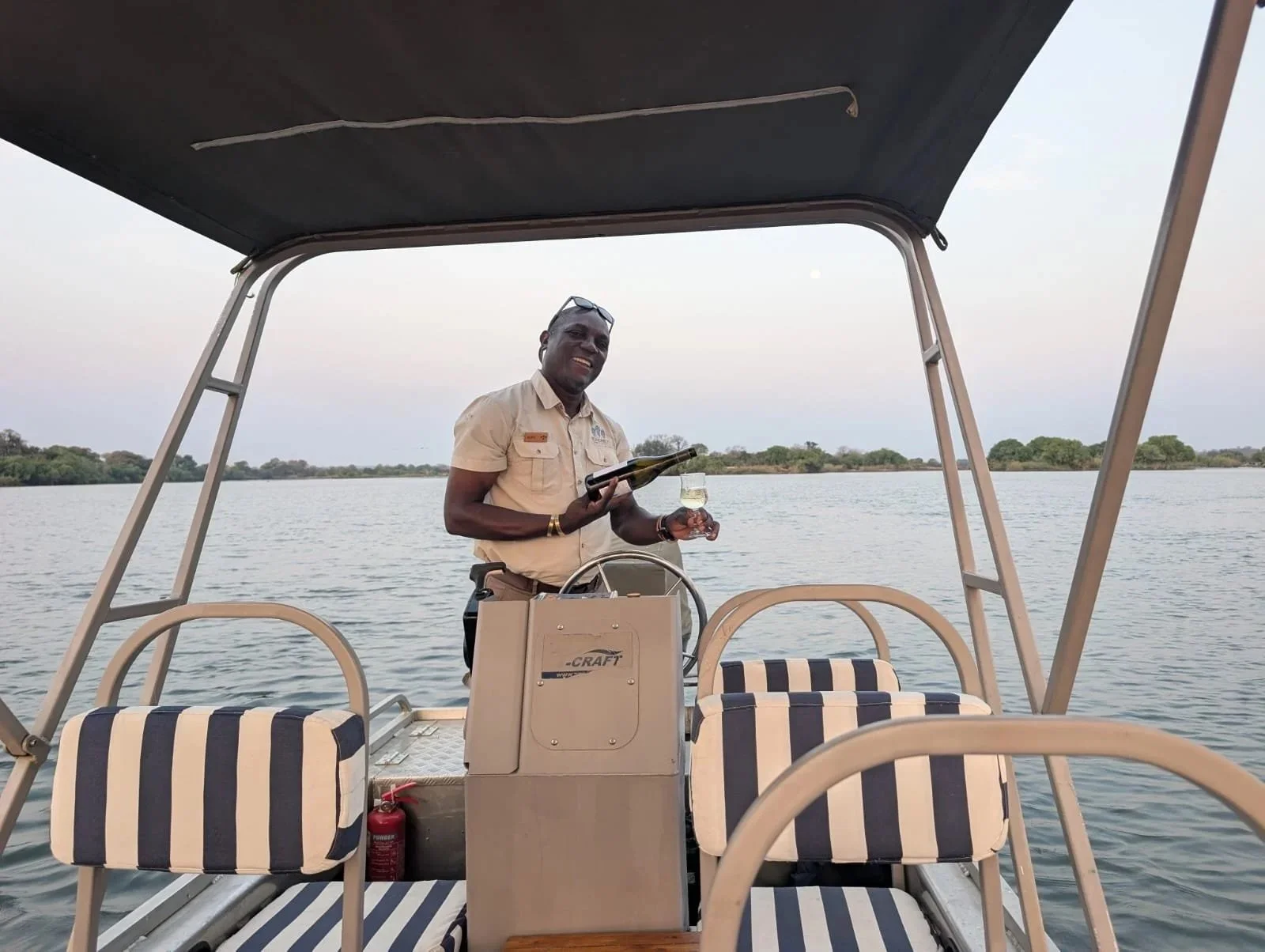
On the Okavango Delta

Why Botswana is unlike anywhere else in Africa

Botswana is one of the most wildlife-rich countries on the continent, and it does things differently. Low-volume, high-quality tourism means fewer vehicles, more space, and a feeling of genuine wilderness that is increasingly rare. The government has committed to conservation over mass tourism for decades — and it shows in everything from the density of wildlife to the quality of the guiding.

What makes it feel truly singular is the sheer variety of landscapes in one country: the water-laced channels of the Okavango Delta, the vast elephant highways of Chobe, the salt pans of the Makgadikgadi, and the red dunes of the Kalahari. No two days look the same.
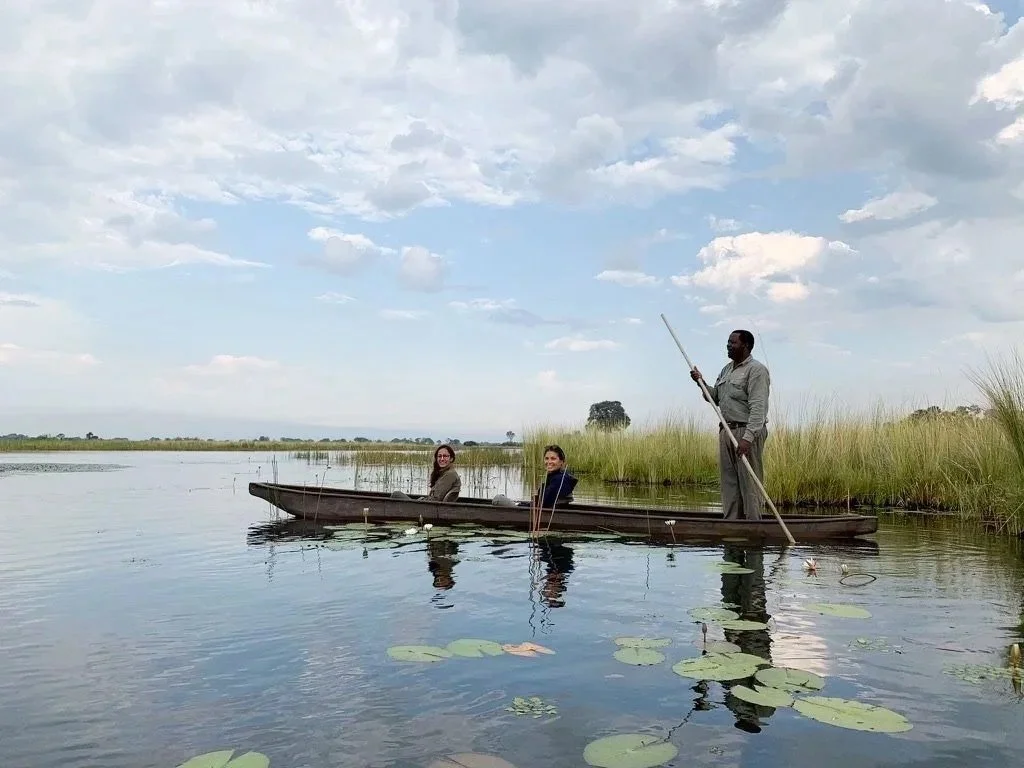
My trip to Botswana in February

The Okavango Delta — a non-negotiable

The Delta is a must. Full stop.

Every year, rains from the Angolan highlands fill this inland delta — the only one of its kind in the world — transforming dry plains into shimmering lagoons, swelling channels, and breathing life into one of Africa's most extraordinary ecosystems. A UNESCO World Heritage Site, the Okavango is home to lions that have adapted to the wetlands and grown larger and more powerful for it, termite islands built over hundreds of years, enormous elephant herds moving through floodplains, and bird species you simply won't see anywhere else.

I've been on Safari across this continent for over twenty years. The Okavango Delta is still unlike anything else I've seen.

Wet camps vs dry camps — and why the difference matters

Something I always explain to guests before we start planning the places-you-will stay in the Okavango Delta: your experience in the Delta shifts dramatically depending on whether you're staying at a wet camp or a dry camp, and understanding the difference helps you plan the right trip.

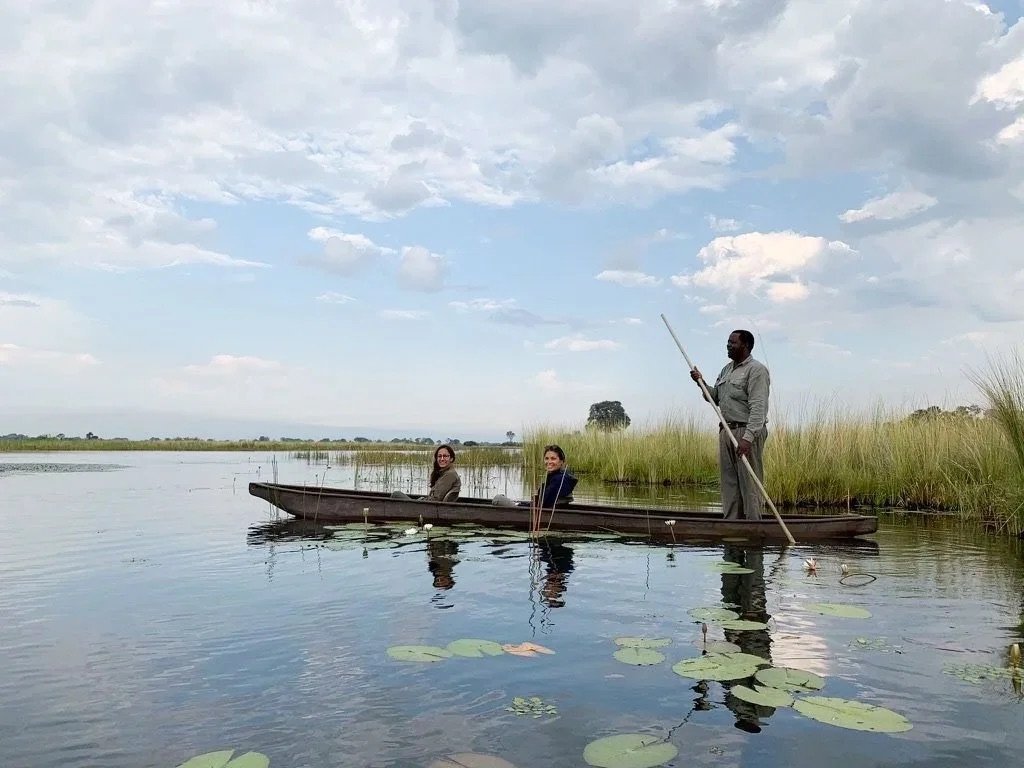
Wet camps are surrounded by permanent water. Activities here are water-based — and the star of the show is the mokoro, a traditional dugout canoe poled silently through narrow channels. You won't hear an engine. Just birdsong, the gentle swish of reeds, and the occasional splash as red lechwe leap across the shallows. It's peaceful, intimate, and wildly beautiful. Coming from the East African Safari world and used to bumpy game drives, this was totally enchanting - a truly immersive way to experience your surroundings.

Dry camps sit on islands within the Delta and deliver classic game drives across open savannah — elegant giraffes, stealthy leopards in leadwood trees, and if you're lucky, African wild dogs. The wildlife here is exceptional and the pace of a traditional game drive feels very different from the stillness of a mokoro.

The best part? Many of our favourite camps offer both experiences, so you don't have to choose.
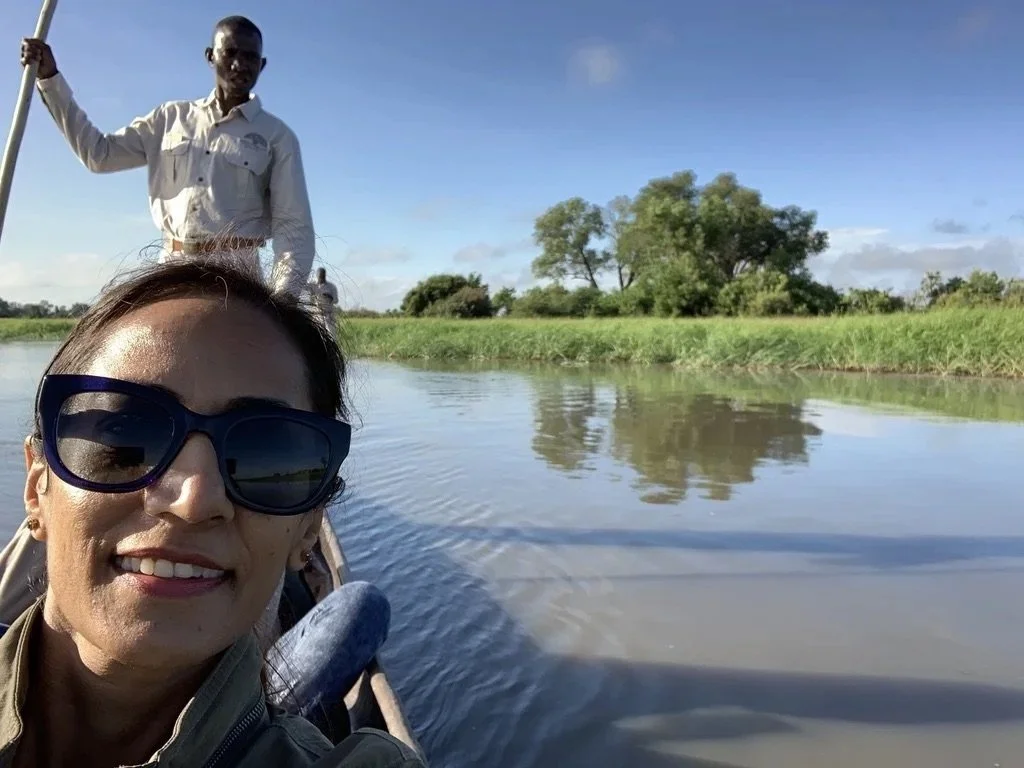
Mokoro Rides through the Delta - gliding through the peaceful channels, loving life!
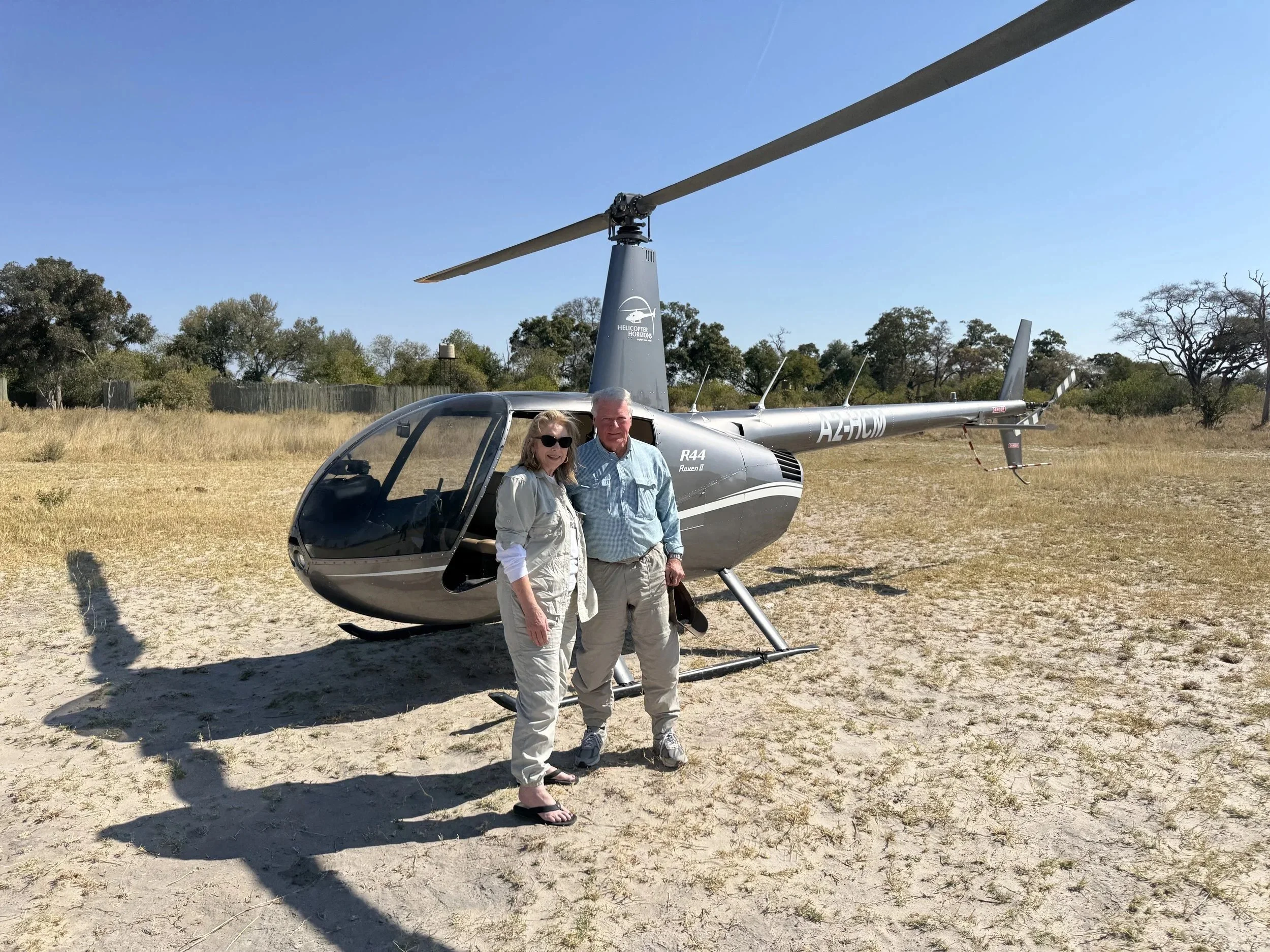
Our lovely guests Dr Hendricks & Vicki enjoyed a Heli ride over the Delta whilst staying at Kiri Camp in Khwai Concession.

When to visit the Delta

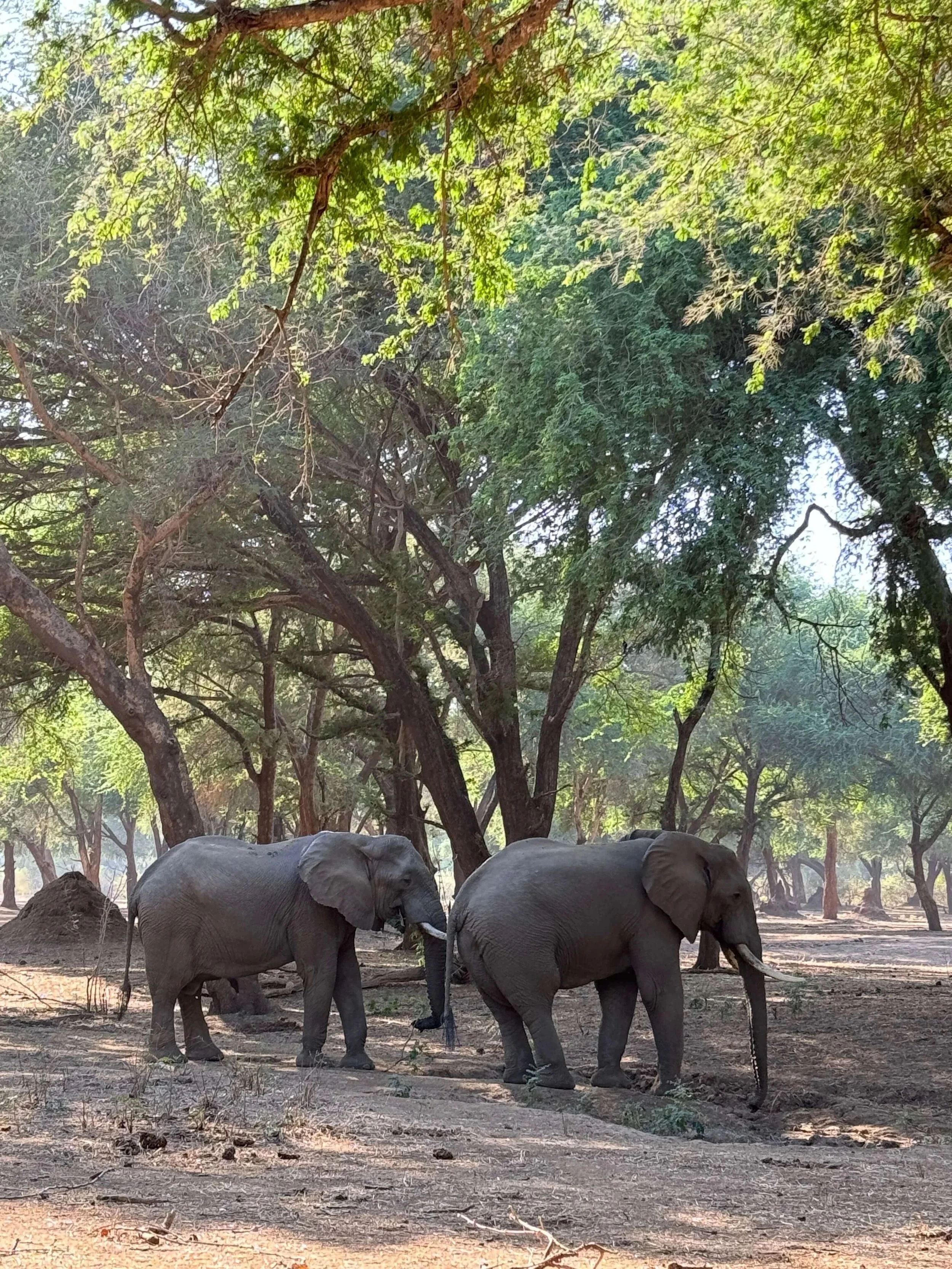
May to September is the golden window. This is when the floodwaters are at their peak — channels are high, mokoro rides are at their best, and the concentration of wildlife around the water is extraordinary. Hippos peek from the shallows. Elephants gather at newly-filled pools. Over 400 bird species fill the air.

Can't travel between May and September? Don't wait. I was in the Delta in February — channels lower, yes, but the wildlife is still there. That's me in the photo above, on a mokoro in February, having just seen leopard, lion, wild dogs, and a sitatunga in one day. The animals don't take the dry season off, and neither should you.

One thing worth noting: October and November can be extremely hot in Botswana before the rains arrive. Not impossible, but something to factor in.

The cherry on top: A helicopter flight over the Delta is something our guests consistently say is one of the most breathtaking things they've ever done. Seeing the scale of the channels, islands and floodplains from above - with wildlife moving through it all below you - completely changes how you understand this landscape.

“It produced a wonderful overview of the Okavango Delta and an understanding of how abundant the wildlife is there. We must have flown over literally 400 elephants during the flight.” Our JTA Guests on their Helicopter Ride over the Delta.

Chobe National Park — where the elephants rule

If the Delta is about intimacy and water, Chobe is about scale and abundance. Home to the largest elephant population on earth — over 130,000 elephants — Chobe delivers game viewing that is genuinely hard to believe until you're in it. Herds of hundreds moving through the floodplains. Lions on the bank. Buffalo, sable, roan antelope. And boat Safaris on the Chobe River that put you right at eye level with it all.

Chobe is a great place to combine a river Safari with a land Safari — the two activities complement each other beautifully and give you completely different perspectives on the same landscape.

Best time: Year-round, but the dry season (May to October) brings the most dramatic game viewing as wildlife concentrates along the river.

Safari Tip: Chobe National Park can also be visited on a day trip from Livingstone if you are visiting Victoria Falls in Zambia.

The Kalahari — Botswana's best-kept secret

Most guests come to Botswana for the Delta and leave without experiencing the Kalahari. The semi-arid desert of the Central Kalahari Game Reserve is one of the largest protected areas in the world, and it offers a completely different Safari experience: open, ancient, and hauntingly beautiful.

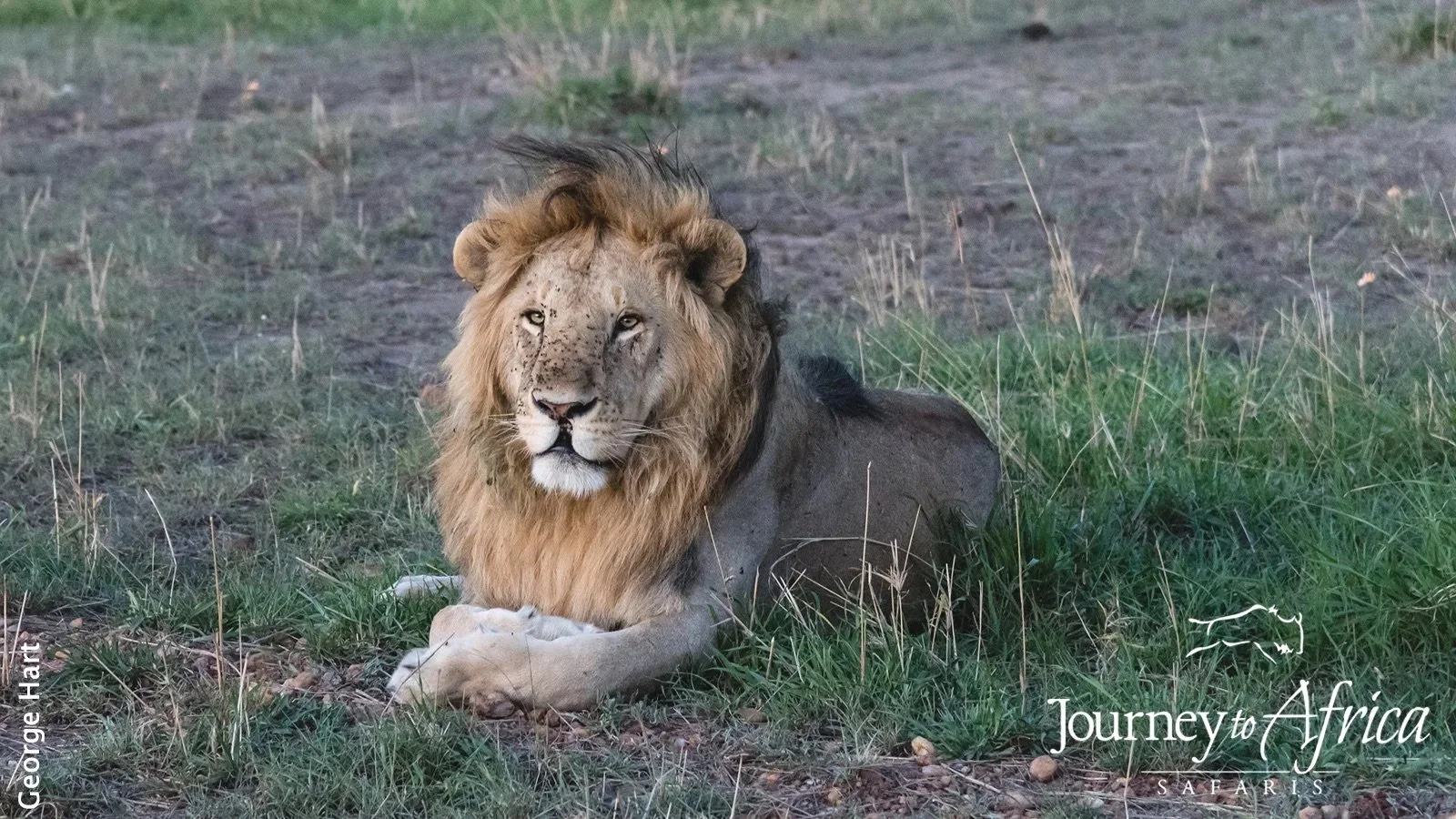
The black-maned Kalahari lion is the star here, along with massive gemsbok, springbok, cheetah, and brown hyena. The Makgadikgadi Salt Pans — white, utterly vast — sit on the Kalahari's edge and offer one of the most otherworldly landscapes in Africa. In the summer months (November to April), the pans fill with water and attract huge flocks of flamingos.

For guests looking to add something genuinely unexpected to their Okavango Delta Safari, the Kalahari is an incredible way to experience Botswana’s two extremes.

Practical notes for planning

Getting there: Most international guests fly into Maun (for the Delta) or Kasane (for Chobe) via Johannesburg. Internal bush flights between camps are a standard part of any multi-camp itinerary and add to the adventure. 

How long to go for: We recommend a minimum of seven nights in Botswana to do it justice. Ten to twelve nights allows you to move properly between areas without rushing.

Budget: Botswana sits at the premium end of the Safari market — the low-volumm  tourism model means camps are intentionally small and exclusive, and that comes at a price. We're always transparent with our guests about budget from the first conversation. The quality of what you get in return is genuinely exceptional. Botswana Safaris typically start at approximately $1,200 per person, per night.

Best overall season: May to October for peak game viewing and the best Delta water levels. November to April for lower rates, fewer guests, lush green landscapes, and the flamingos on the pans.
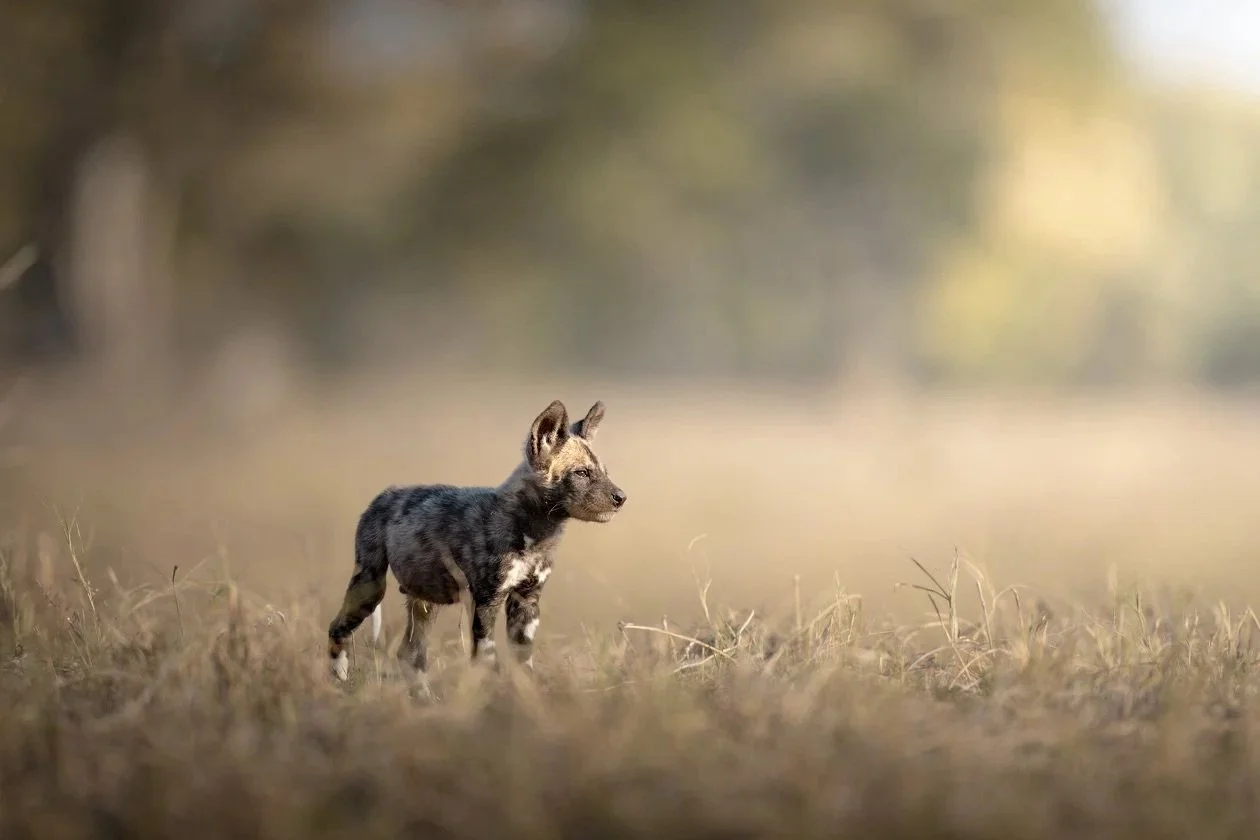
Wild dog pup in the Savute Region of Chobe, photo from our partners at Desert & Delta

Our favourite camps and areas

We're very deliberate about the camps we recommend. Over the years we've tried and tested across all the key areas, and these are the places we come back to again and again. Our list of favorite places is always evolving and growing.

In the Okavango Delta: We love the Kwando circuit of camps for their exceptional guiding and beautiful positions, and the Natural Selection camps for guests looking for something more intimate and design-led. Khwai Private Reserve — on the eastern edge of the Delta — is fantastic for dry land game viewing combined with the atmosphere of the Delta, and consistently delivers wild dog and leopard sightings.

In Chobe: Chobe-area camps that combine river Safaris with land game drives are our go-to. The quality of the boat Safari experience here is something we always highlight to guests.

In the Kalahari: Kalahari Plains Camp by Natural Selection is one of our favourites — remote, beautifully designed, and the gateway to some of the most extraordinary desert wildlife encounters we've seen.
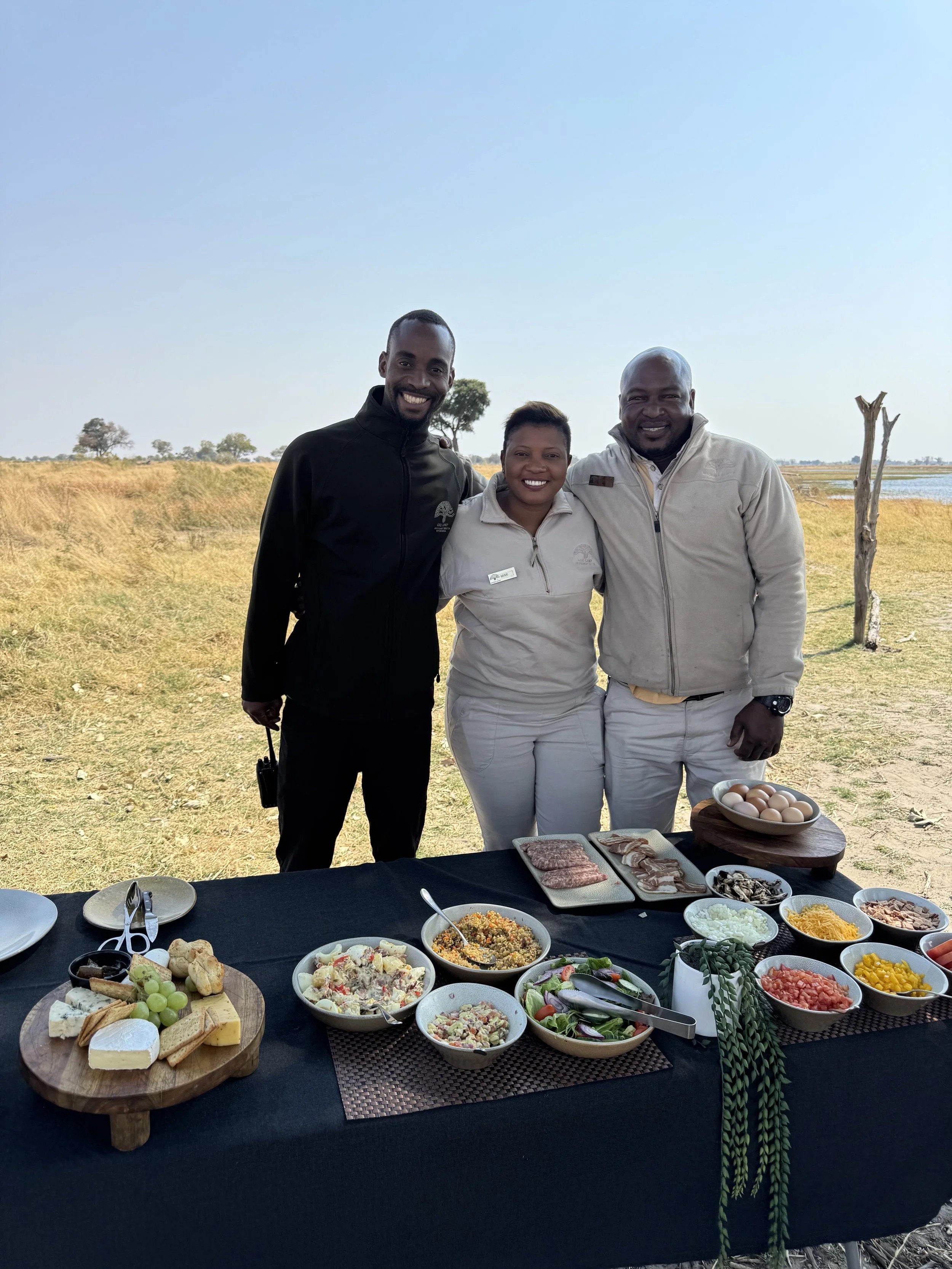
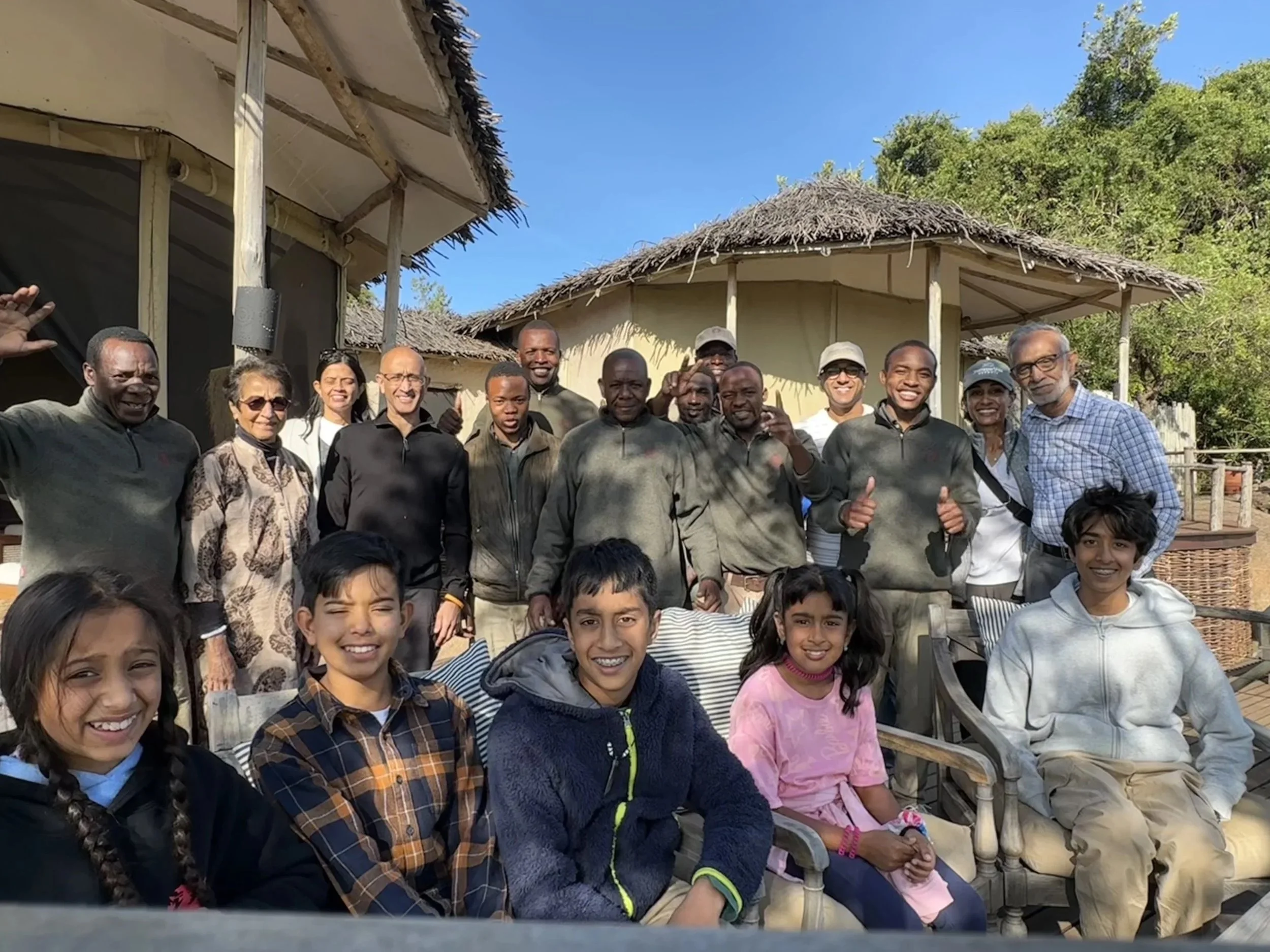
Some of the wonderful team at Kiri Camp from our Journey to Africa guests Botswana Safari. They loved Kiri Camp - the people, place and little touches!

Ready to start planning?

Botswana has a way of getting under your skin. Guests who go once almost always come back — often bringing friends or family the second time, wanting to share something they can't quite put into words.

If you're ready to start thinking about your Botswana Safari, we'd love to hear from you. Tell us when you're thinking of going, who you're travelling with, and what kind of experience you're after — and we'll start building something extraordinary for you.

Start planning your Botswana Safari

Mefi & Georgie
Wild Encounters: Unforgettable Safari Moments from Our Guests

Stories from the Wild: Journey to Africa Guests share their Safari memories

One of the great privileges of this work — twenty-five years and counting of designing Safaris — is that we get to witness the moment Africa gets under someone's skin. It happens differently for everyone. For some, it's the scale of the Serengeti at dawn. For others, it's a single, fleeting wildlife encounter that they'll spend the rest of their life trying to describe at dinner with friends. For children, it can be a pride of lions or a Samburu warrior in full ceremonial dress and suddenly the world is bigger than it was the morning before.


Zambia & Tanzania and a Safari that was so good it didn’t feel real.

John & Gayle Mead - Victoria Falls, Serengeti, Nyerere, and Tanzania Safari

“I had to keep saying: this is real”
John and Gayle Mead — Victoria Falls, Serengeti, and Selous, Zambia and Tanzania
— John and Gayle Mead — Victoria Falls, Serengeti, and Selous, Zambia and Tanzania

We've been collecting these moments for years. Some arrived as long, glorious emails. Some came as voice notes, late at night, still buzzing from the day. One arrived as a series of text messages sent in real time from the back of a Land Cruiser. All of them made us deeply proud of what we do.

Here are some of our favorites — stories from guests who went to Africa and came back changed. We keep adding to this, as a bit of a “Guestbook” or Safari Journal of what our guests are feeling, seeing and saying about their Journey to Africa Safari.

John reached out wanting something epic. We went back and forth over emails and calls until we landed on a journey that took them from the thundering spray of Victoria Falls in Zambia all the way through Tanzania's Serengeti and the wild, boat-accessed wilderness of Nyerere (Selous) Game Reserve in Southern Tanzania.

When Gayle wrote back, she opened with exactly the feeling we'd hoped for:

“I had no idea what I would really feel once I saw the animals in the wild. I had to keep saying ‘this is real.”
— Gayle Mead

That's it. That's the whole thing, really. No photograph prepares you for the moment you realize there is nothing between you and the animal except open air and the hum of the bush. Gayle put it perfectly — and we've never forgotten it.


Three photographers, one Tanzanian Safari, and 800 kilometers of pure magic


George, Joey, and Henry — Northern Tanzania

When George first got in touch, he mentioned he'd be bringing a Phase One camera. I knew immediately: this Safari needed to be entirely private. One guide, one vehicle, total flexibility to chase the light wherever it went.

We sent them deep into Northern Tanzania — Serengeti, Ngorongoro, the works — for nine days with guide Nathan, who logged over 800 kilometers with them across Tanzania's most iconic landscapes.

“Nathan was not only a wonderfully knowledgeable guide but an excellent and patient travel companion. Life in the Land Cruiser was great — even with the free African Massage, as Nathan described traveling down some of the roads.”
— — George, Northern Tanzania Safari

If you've ever been on a Tanzanian bush track in the back of a Land Cruiser, you'll know exactly what Nathan meant!

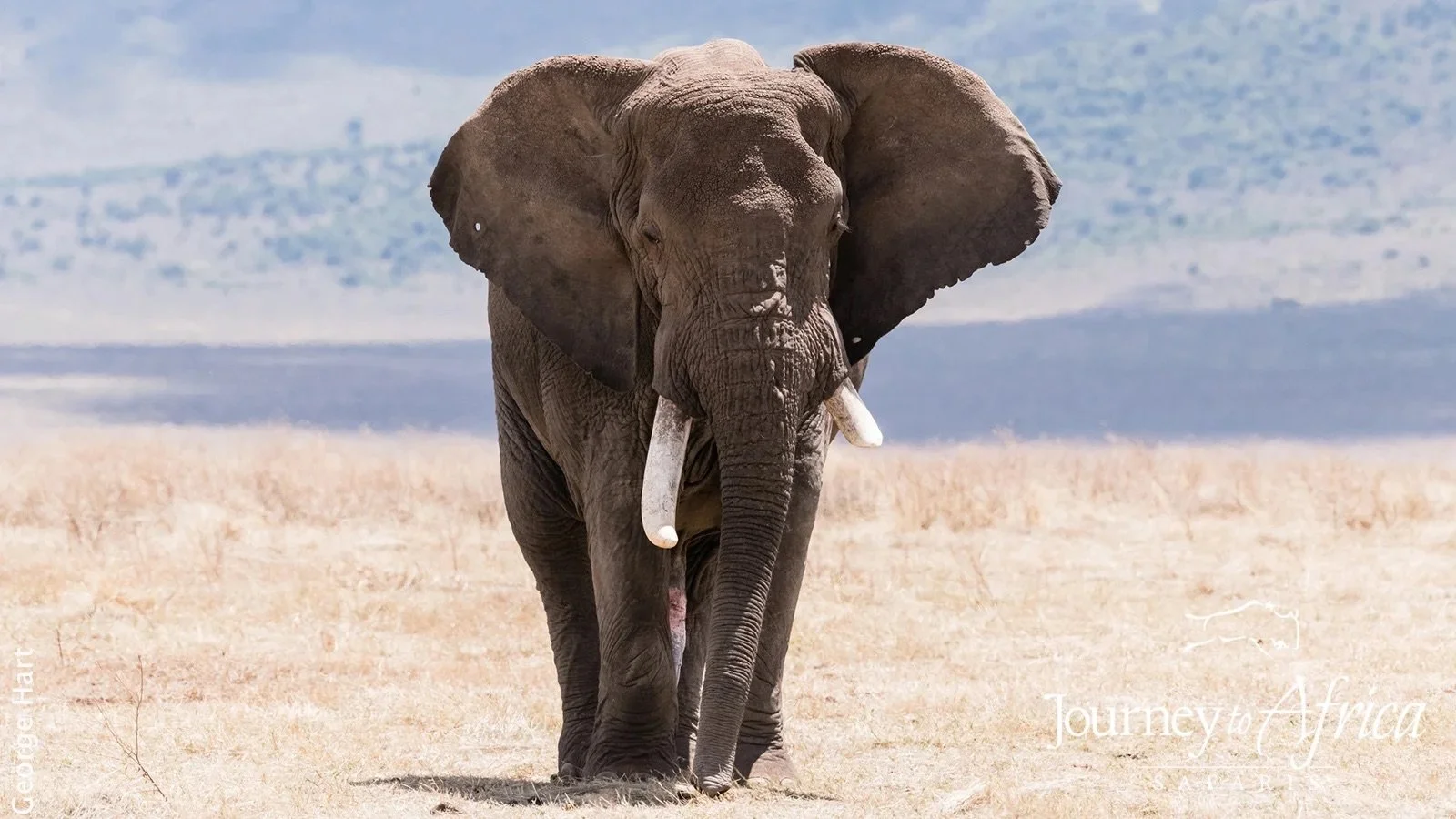
When we were in the crater, we watched this big old bull elephant saunter across the crater floor towards the marsh where Nathan had us positioned. The old boy stopped maybe 12 ft away and just stood there, dust bathing and looking at us for about 15 minutes and then just continued on his way.

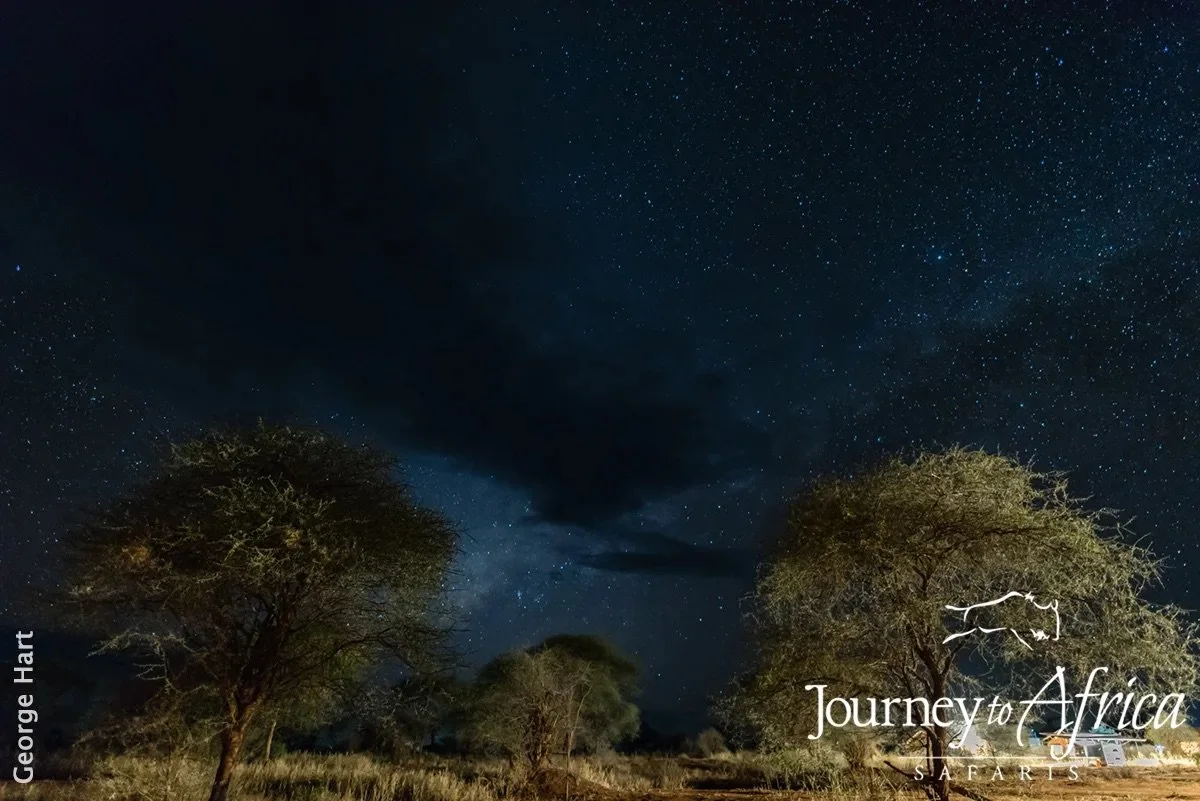
Stary nights on Safari

“Being a city boy, I don’t see the Milky Way very often due to light pollution so I hoped to get a night sky shot at some point on the trip. At Kichuguu, what was just as memorable was the honor guard of camp staff we had around us, simultaneously ensuring we didn’t get eaten and just as keen to look at the results.”
— George Hart, Northern Tanzania Safari

Makes us so happy when our Safari goers get to fulfill their Tanzanian Safari dream.

What is your Safari dream? We can help make it a reality.


The family Safari where nature provided the birds-and-bees talk!


Angela and the Hall family — Lake Eyasi and Northern Tanzania

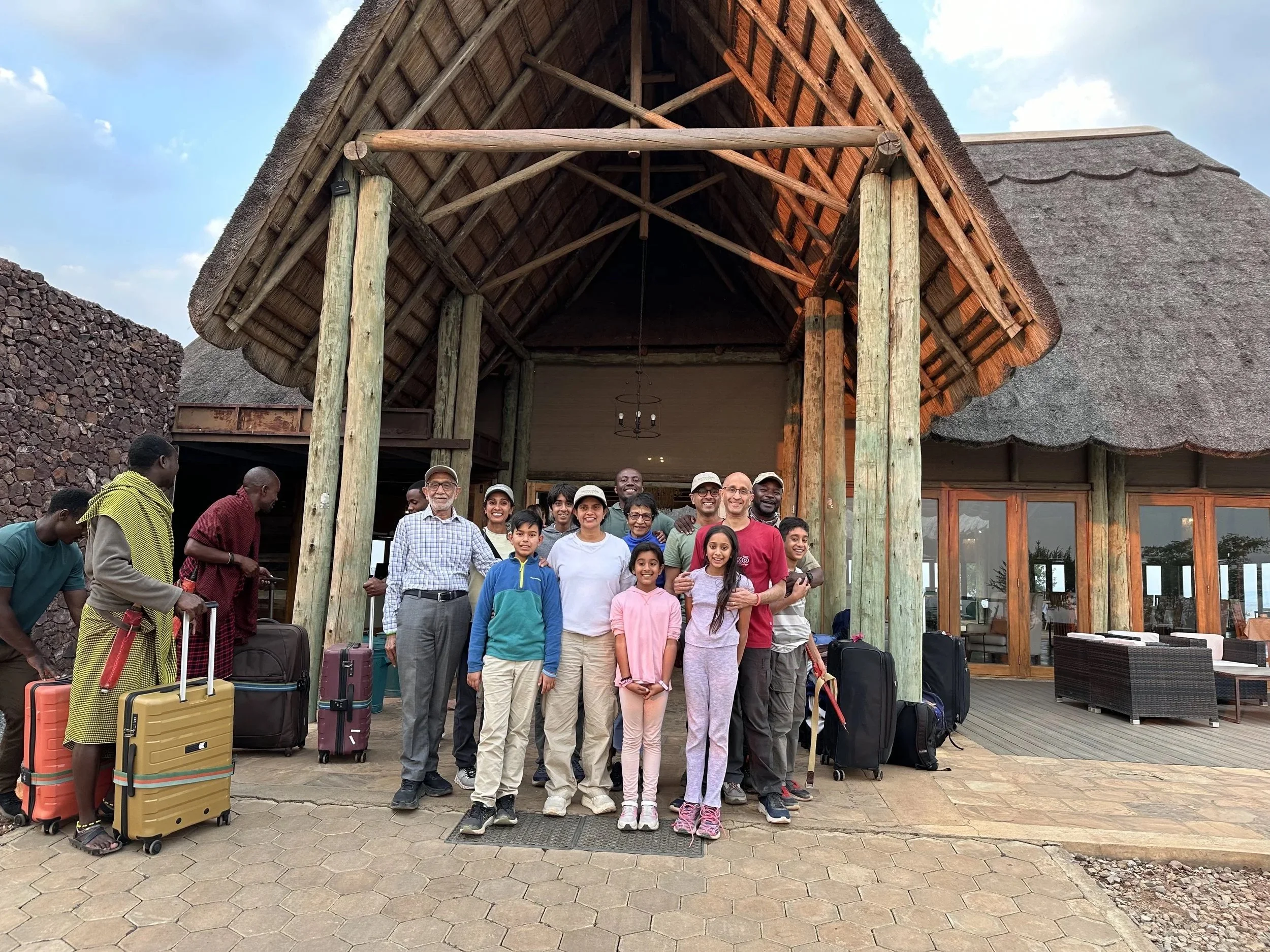
When Angela wrote to say she wanted her children — twins aged 12, a 15-year-old, and a 17-year-old — to experience more than just wildlife on their family Safari, I knew exactly where to take them. We added a visit to the Hadzabe tribe at remote Lake Eyasi, one of the last hunter-gatherer communities in East Africa, alongside the classic Northern Circuit.

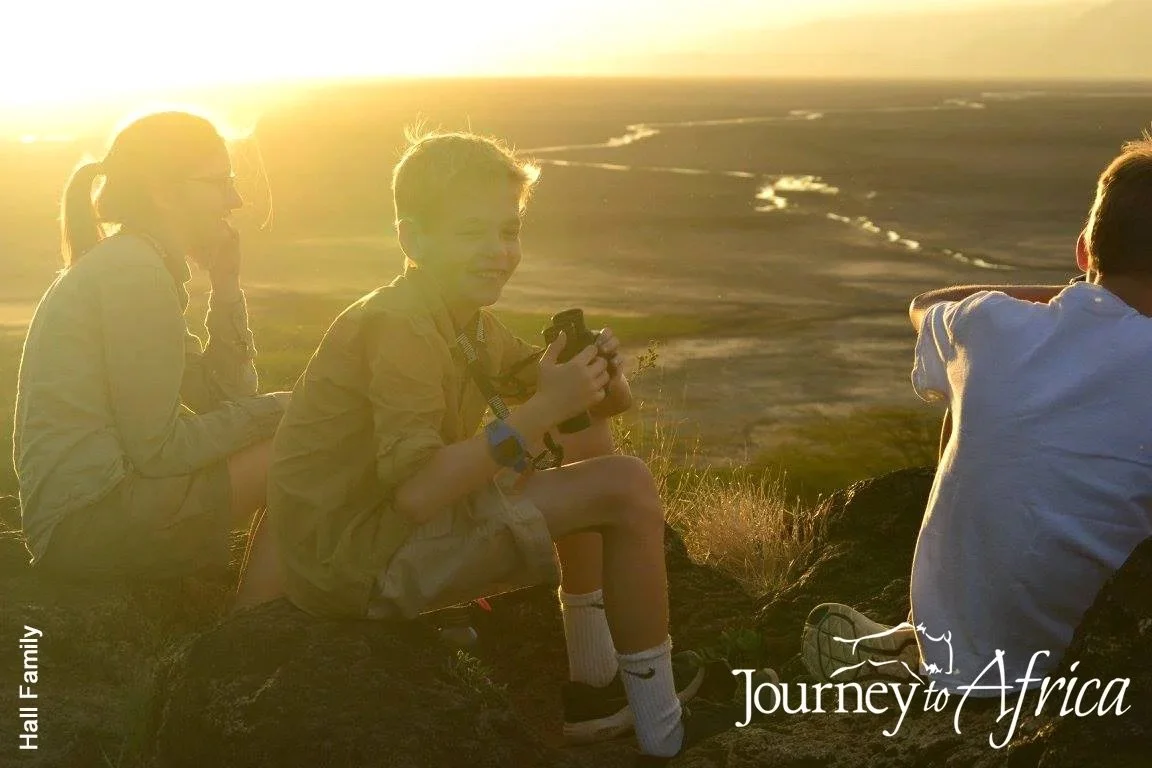
Sunset over Lake Eysasi - the ancestral home of the Hadzabe people.

The feedback came in three distinct voices. Sydney, the eldest at 17, was so moved by the visit to the Rift Valley Children's Village that she started talking about going back. The twins were wide-eyed and honest about the sounds the bush makes at night (a white noise machine may have been helpful — lesson learned for our packing guide!).

And Angela had this to say about one particular morning game drive: the wildlife had, unprompted and with perfect comic timing, delivered the birds-and-bees conversation she'd been meaning to have with her boys. Nature, as always, does things in its own way and on its own terms. Their reactions, she said, were priceless!

The family enjoyed the Night Safari & Walking Safaris on every the single evening/morning at Oliver’s Camp, Tarangire - this is why we love Tarangire - aside from the huge

Family Safari stories and memories that will shape lives and be shared around the dinner table for generations to come - this is why we do what we do. What will your Family Safari stories be?

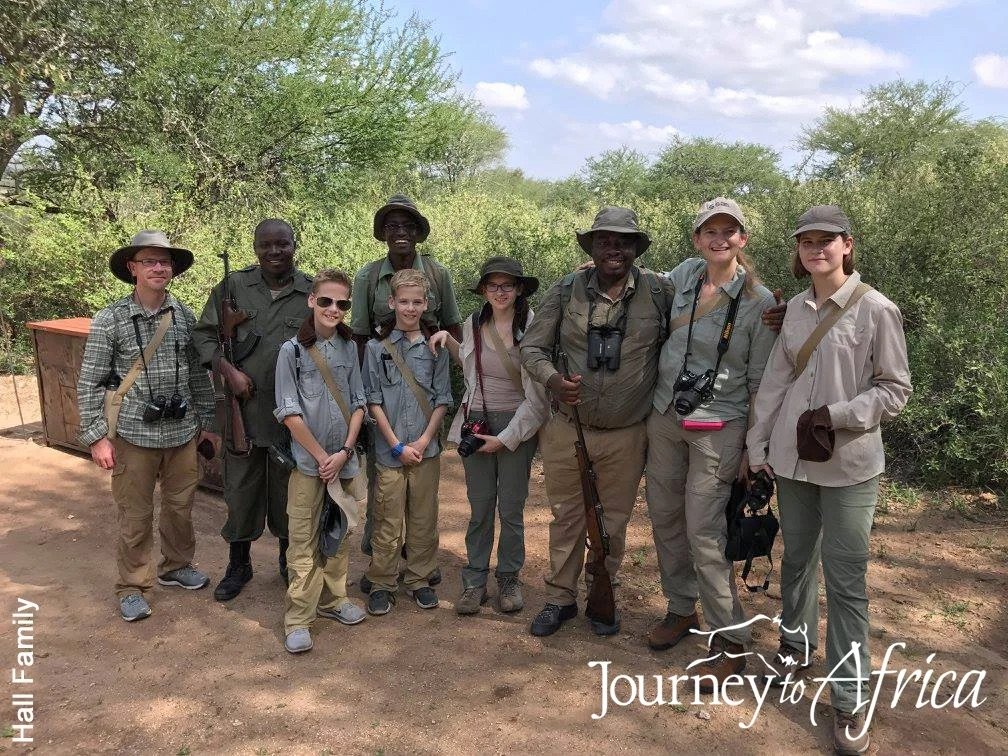
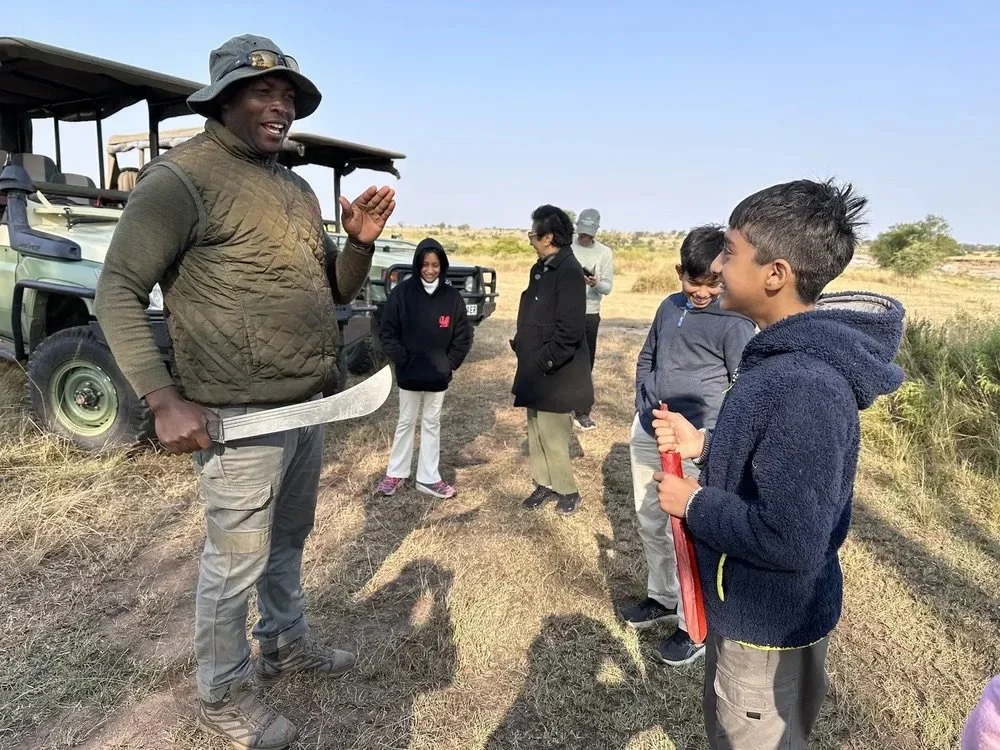
Team photo before a morning bush walk


A private journey built entirely around photography - and where the wildebeeste didn’t disappoint!

Ravi — Serengeti, Tanzania

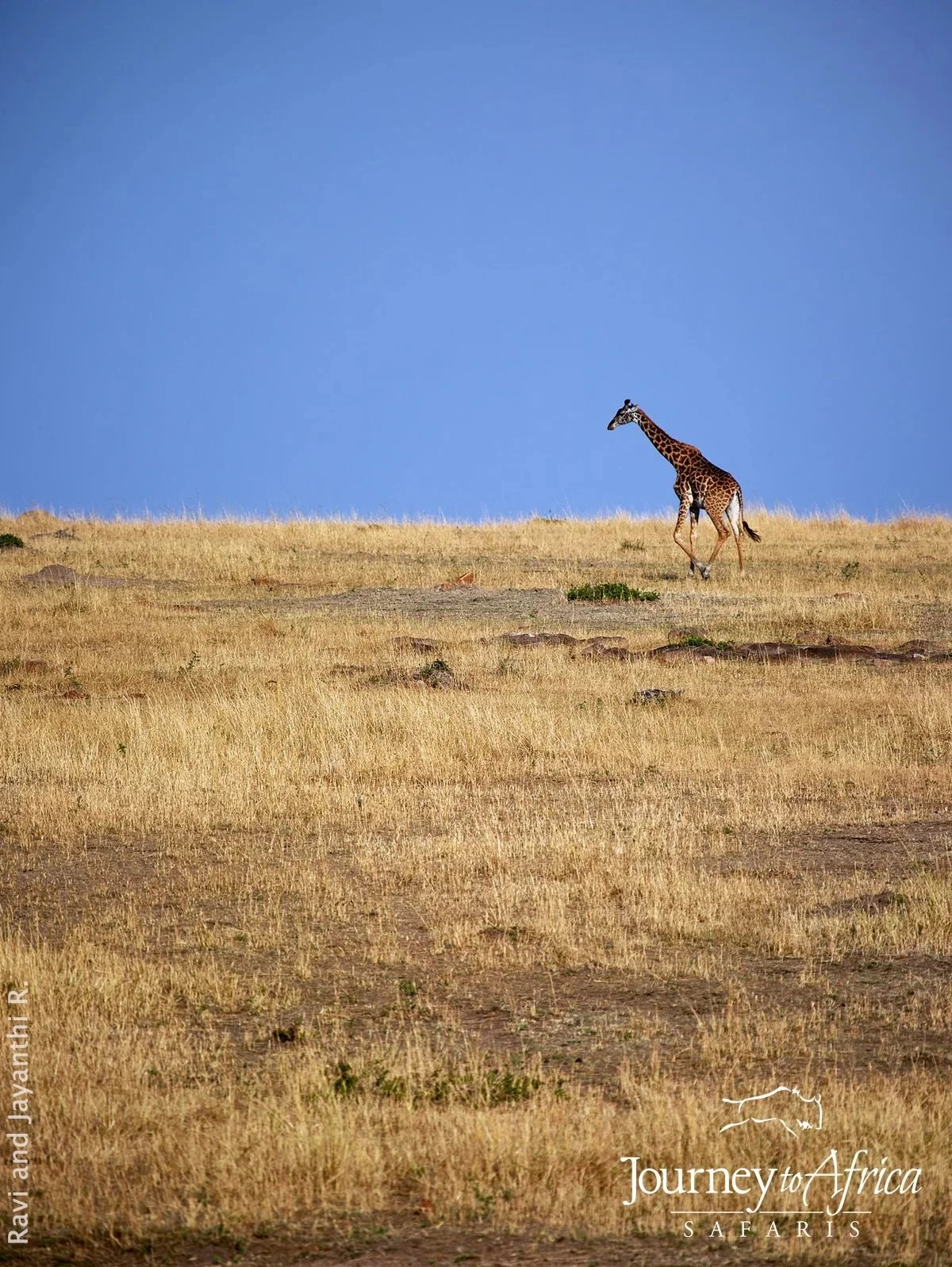
Ravi came to us with a very specific Safari in mind: a private journey built entirely around photography, with the wildebeest migration as the centerpiece. We routed him through Central Serengeti before positioning him in the north — exactly where the migration crosses the Mara River in August — staying at Kiota Camp and then Serengeti Safari Camp.

After the Safari, he wrote back with one short and sweet line that said everything:

“Can’t thank you enough.”
— — Ravi, Serengeti Safari

Texts from the bush: "Next level, Mefi!!!!"


Soraiya's multi-generational family & a life changing Safari for the books — Ngorongoro, Serengeti, and Pemba Island, Tanzania


Soraiya wanted a family Safari that worked for everyone — from the youngest to the grandparents. Her asks: wildlife, the wildebeest migration, and scuba diving. Not a small order. We positioned them in Central Serengeti at Lahia House and then north to Mkombe's House — a private home where the kids could roam freely — before finishing on Pemba Island at Fundu Lagoon for some of the best diving in the Indian Ocean.

Thanks to Soriaya for these behind-the-scenes, blow-by-blow short and sweet texts of her multi-generational family Safari unfolding in Tanzania. Texts like these are gold and what keeps us going. Let’s start at the beginning:

“Arrived in Kilimanjaro, with Sia in the car, super smoooth!”

“Ali and Gabu are phenomenal!” [About the guides]

”Hey hey! Excellent day in Serengeti! We have seen SO many animals and an amazing migration already!!!”


”Rooms are amazing [at Lahia] and the place is a small slice of heaven on Earth!!”
— — Soraiya's Texts

A Family Affair - all the family with the Mkombe House Team. Memories that will last a lifetime.

“Mkombe House in PHENOMENAL!!! Wowowow!”
— — Soraiya's Safari Texts

After their Safari, we called Soriaya and heard in more detail how amazing this family Safari really was. A comment Soraiya made after their Safari was confirmed was, “That was easy!”.
That is our goal! To make your Safari planning as easy for you as possible. We know the right places to take you, for the right times. We can’t wait to show you our Tanzania.


An East African Adventure: Kenya & Tanzania from Serengeti plains to Mahale Mountain Chimps

Ken, Nan, Julie, and Clyde — Kenya and Tanzania

This was the Safari that had everything. Ken and Nan joined forces with friends Julie and Clyde and wildlife photographer Randy Hanna — Kenya is Randy's second home — and together they explored elephant-rich Amboseli National Park and the Mara North Conservancy. After Kenya, they continued into Tanzania: the World Heritage Site of Ngorongoro Crater, the remote chimp-filled wilderness of Mahale Mountains in Western Tanzania, and the beaches of Zanzibar.

Ken wrote to us about the elephants at Amboseli — a memory that will clearly stay with him for a very long time:

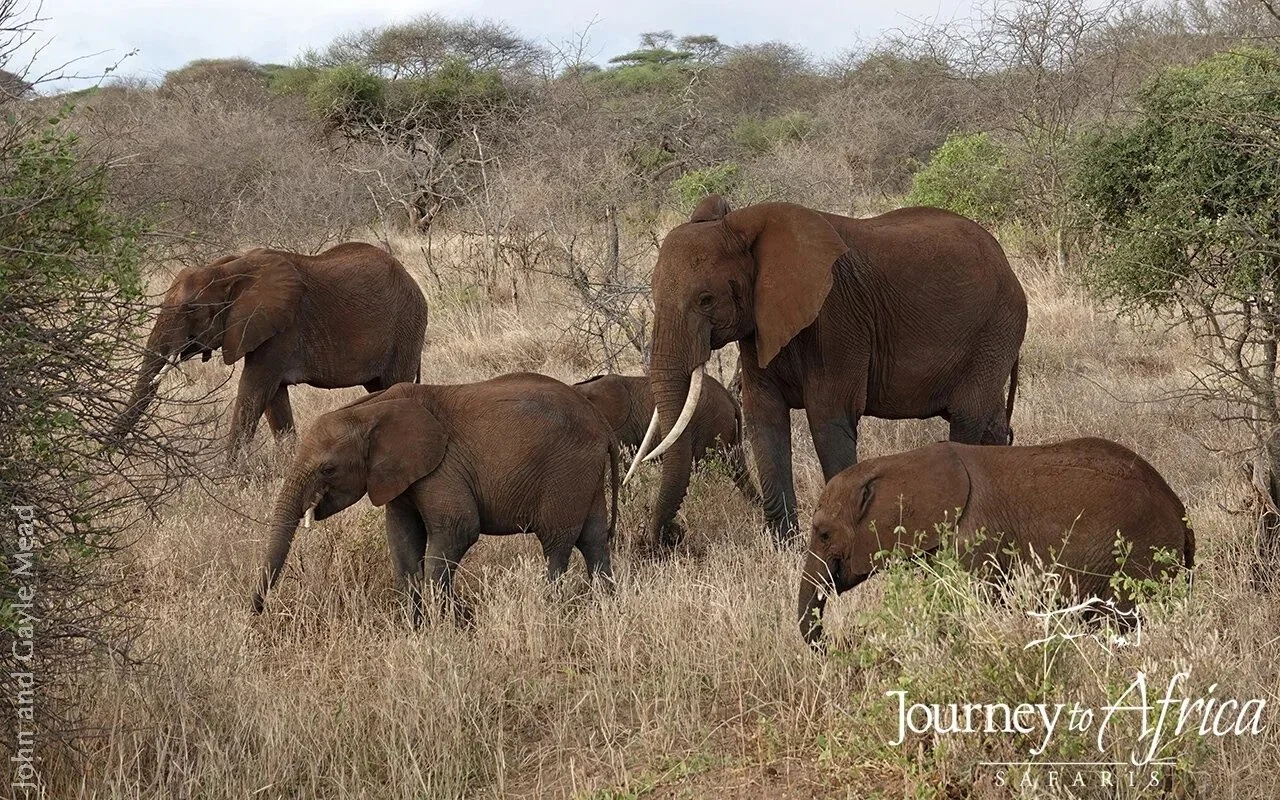
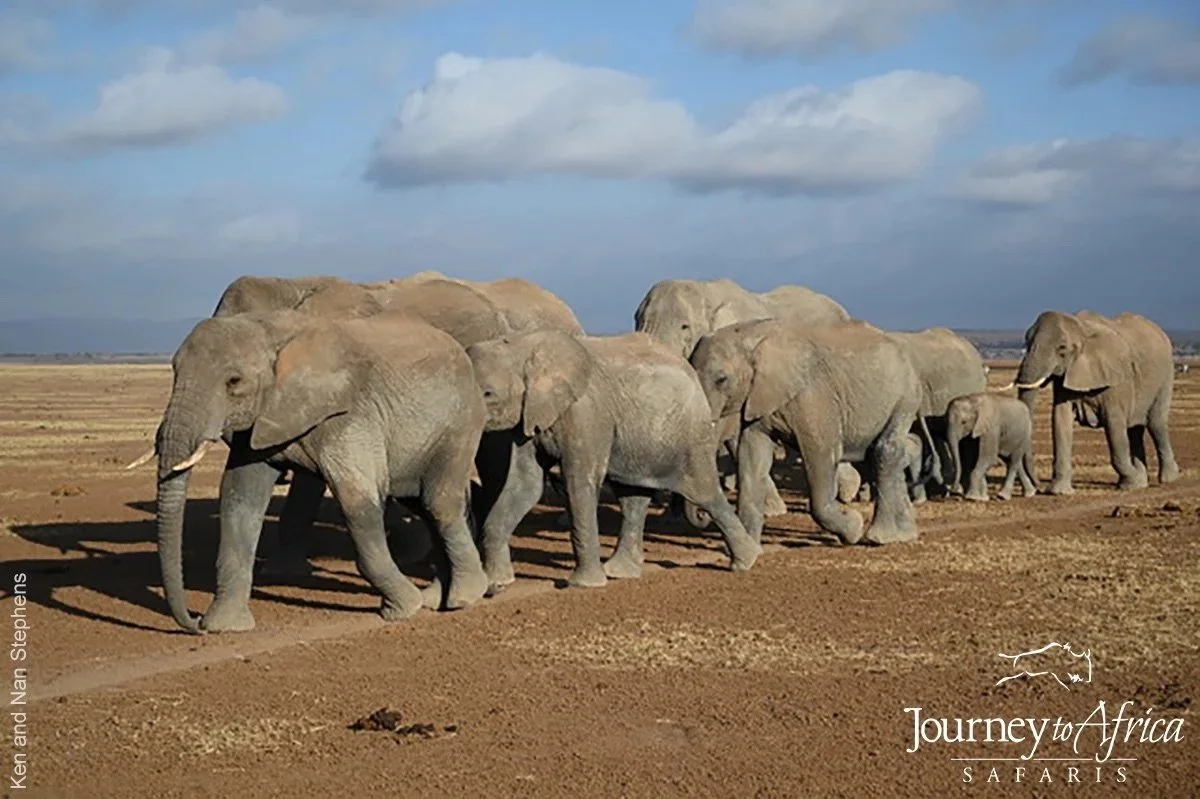
“We woke to an elephant eating leaves just five feet from our heads — felt his movement through the canvas. Another day we watched a line of elephants marching across the Amboseli flats towards water, so close you could hear their feet crunch on the dust.”
— Ken on Amboseli

Hearing feet crunch on the dust. That detail. That's what Safari does. It makes you notice things you didn't know you could notice. Next they headed to the remote and utterly beautiful Mahale Mountains National Park in Western Tanzania. Here’s what Julie said about their time at Greystoke Mahale:

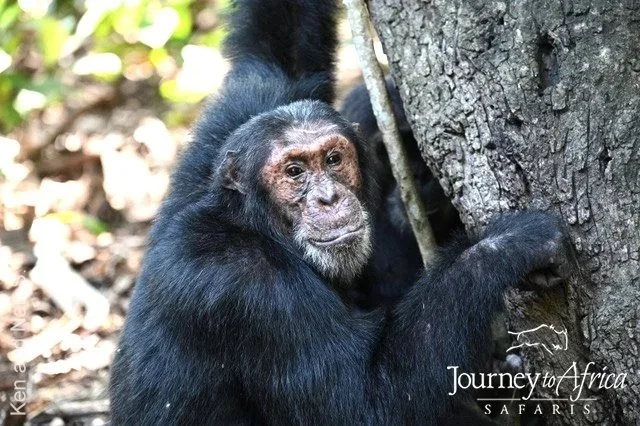
Two hours of close interaction with chimps as they wandered thru our Mahale camp (a magical experience).

Mahale was our favorite lodge by far. It was the boat ride , the lake shore location, the smaller size, the rustic remoteness, and Butati that elevated Mahale above the others. We felt more immersed in nature, with very little separating us from jungle life.
— Julie on Greystoke Mahale, Western Tanzania

Your Safari story is next.

Every single Safari we design is different — because every guest we work with is different. Different dreams, different travel styles, different moments that end up mattering most. But the through-line is always the same: Africa gets in. And it doesn't leave.

If you've been on a Journey to Africa Safari, we'd love to hear your wild encounter. The moment that made you catch your breath. The morning that changed something. The thing you keep telling people about.

And if you haven't been yet — let's change that.