Safari Planning

Let. Us. Climb. Kilimanjaro

If you have ever dreamed of hiking on the highest mountain in Africa or standing on the roof, watching the sun rise over the world below you, feeling like you can take on anything… then this one’s for you.

Climbing Kilimanjaro is a hike. A journey. The journey is its own reward and no matter how far you ascend, just being on this iconic mountain, at any level, is triumph enough. The kind of adventure you tell your grandkids about, the kind that changes you in ways you wouldn’t expect.

And the best part? You don’t need to be a mountaineer. No ropes, no technical climbing. Just grit, determination, and a love for adventure.

It’s hard. But oh, it’s worth it.
And after Kili? A Safari of course. Nothing better then to rest your tired feet from the comfort of your Safari vehicle or or your beautiful place-to-stay. Sit back and enjoy the wildlife … at leisure.

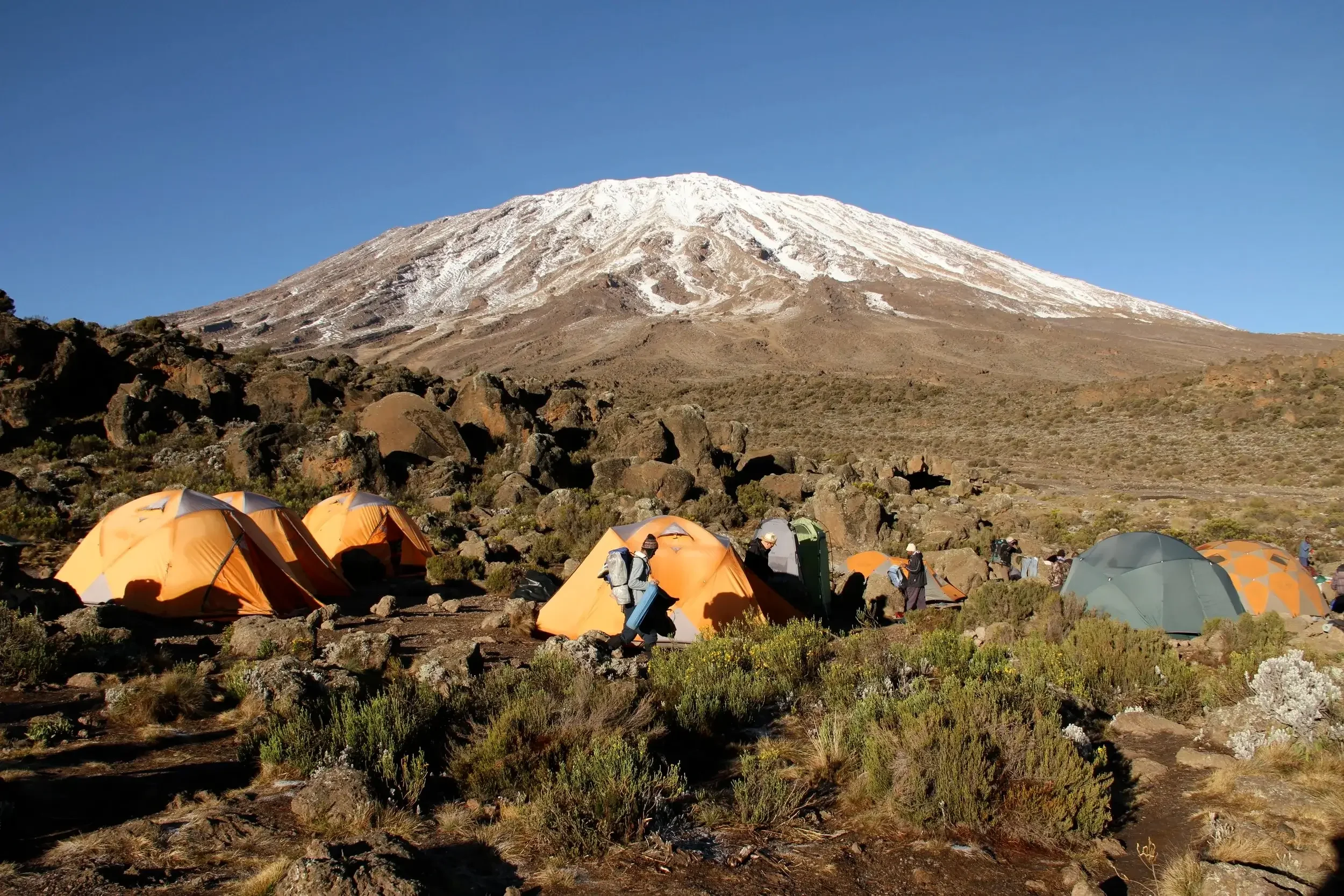
Equatorial Alpine - stunning and other wordly scenery!

Let’s jump into everything you need to know about climbing Kili – routes, prep, what to expect, and YES, how you can still get a taste of it if a full climb sounds a bit too wild for you.

Why Kilimanjaro?

It’s the highest free-standing mountain in the world towering at 19,341 feet. And while it’s not a technical climb, it is a mental and physical test of endurance.

The altitude is tough. The summit push is BRUTAL. You’ll probably ask yourself, “Why am I doing this?!” at least 10 times. You will want to rush, yet the phrase ‘pole pole’ [slowly slowly in Swahili] will ring in your ear.

But then? You watch the sun break over the clouds. You take those final wobbly steps to Uhuru Peak. And suddenly, nothing else matters.

Seriously. It will be one of the best things you ever do

Scree slopes of Kili - it gets dusty up there. Bandanas/Balaclavas are a must!

Which route should you pick?

Not all Kilimanjaro climbs are the same! Some are easier; some are tougher. Some give you more time to acclimate (which is a big deal because altitude is the #1 thing that makes people turn back).

Here’s a guideline:

Machame Route (“Whiskey Route”):

- Why: Incredible scenery, high success rates (if you pace yourself!)
- 6–7 days – steep but stunning
- Verdict: If you love adventure and don’t mind a challenge, this is the route for you.

Rongai Route:

- Why: Climbers wanting fewer crowds and a drier route.
- 6–7 days. Dramatic scenery-wise with Mawenzi tarn - a solid choice.
- Verdict: If you want a remote, peaceful climb, this is a winner.

Lemosho Route:

- Why: A slow, scenic, and steady climb (and better acclimatization).
- 7–10 days – and one of the most beautiful routes as per our partners.
- Verdict: If you’ve got the time, this is one of our Kili partner’s favorites.

Marangu Route (“Coca-Cola Route”):

- Why: Those who really want hut accommodations instead of tents.
- 5–6 days – less scenic, but still Kilimanjaro!
- Verdict: Shorter but if you want a quicker climb, it’s a great option!

Shira Route for a one day hike:

- Why: A great day hike from Arusha.
- 1 day – absolutely spectacular day to get a feel of Kilimanjaro.
- Verdict: A great day to experience the feel of Kilimanjaro.

No matter which route you choose, one thing is non-negotiable:

Take it slowwww!
Altitude sickness doesn’t care how fit you are. ‘Pole pole,’ as the saying goes… slowly, slowly.

The slopes of the summit.

How fit do you need to be?

You don’t need to be an Olympic athlete. But you do need to be prepared.

  • Endurance is key. You’ll be hiking up to 6–8 hours a day, with summit night pushing you 8+ hours straight up, in the freezing cold.

  • Work on conditioning your legs into legs of steel! Hill training, lunges, and squats will make your hike way easier.

  • Again, I say it: altitude can be a beast. Doesn’t matter how fit you are – your body has to adjust. Come a little early and acclimatize in the base town of Moshi.

  • Train with a backpack! You’ll be carrying a daypack (porters carry the heavy stuff), but you’ll still need to get used to weight on your back.

What to expect on summit night?

It’s hard.
Like… really hard.

You wake up at midnight. It’s freezing. It’s dark. You put on every layer you own and start walking straight up. It’s a slow, grueling, mentally exhausting climb.

But then… the sun rises. And you realize you’re standing above the clouds, watching Africa wake up. And suddenly? The cold, the exhaustion, the burning legs, the why-am-I-doing-this feeling… all disappears.

Because you did it.

What if you don’t have time for the full climb?

One of Kili’s best-kept secrets? A one-day Kilimanjaro climb is a thing!

Yep. You can hike Kilimanjaro for a day and still get that feeling of being on this mighty mountain.

The best option? Shira Route from Arusha.
Hike through savannah, spot colobus monkeys, breathe in that fresh Kilimanjaro air… and be back down in time for a warm shower and a celebratory drink.

Perfect for those short on time or just wanting a taste of the experience!

Meal times on Safari!

The best way to celebrate? Safari time!

Safari is the ultimate Kilimanjaro recovery. After this huge achievement, you’ll want to:

- A proper bed in a non-flappy tent room. We have many places-to-stay to chose.
- Something comfy for your sore legs .. in coming a Safari vehicle.
- View an array of wildlife … you wouldn’t want to spot one up close on Kilimanjaro.

Let the magic of Safari begin.

Let’s make it happen.

Kilimanjaro is calling. Whether you’re all in for the full summit challenge or just want to dip your toes in for a day hike, this mountain is waiting for you.

And I’m here to make it happen.

Let’s talk Kilimanjaro. Let’s talk Safari.

Safari Etiquette 101

Kakae - one of our favorite guides in Tanzania [we have many favorites!]

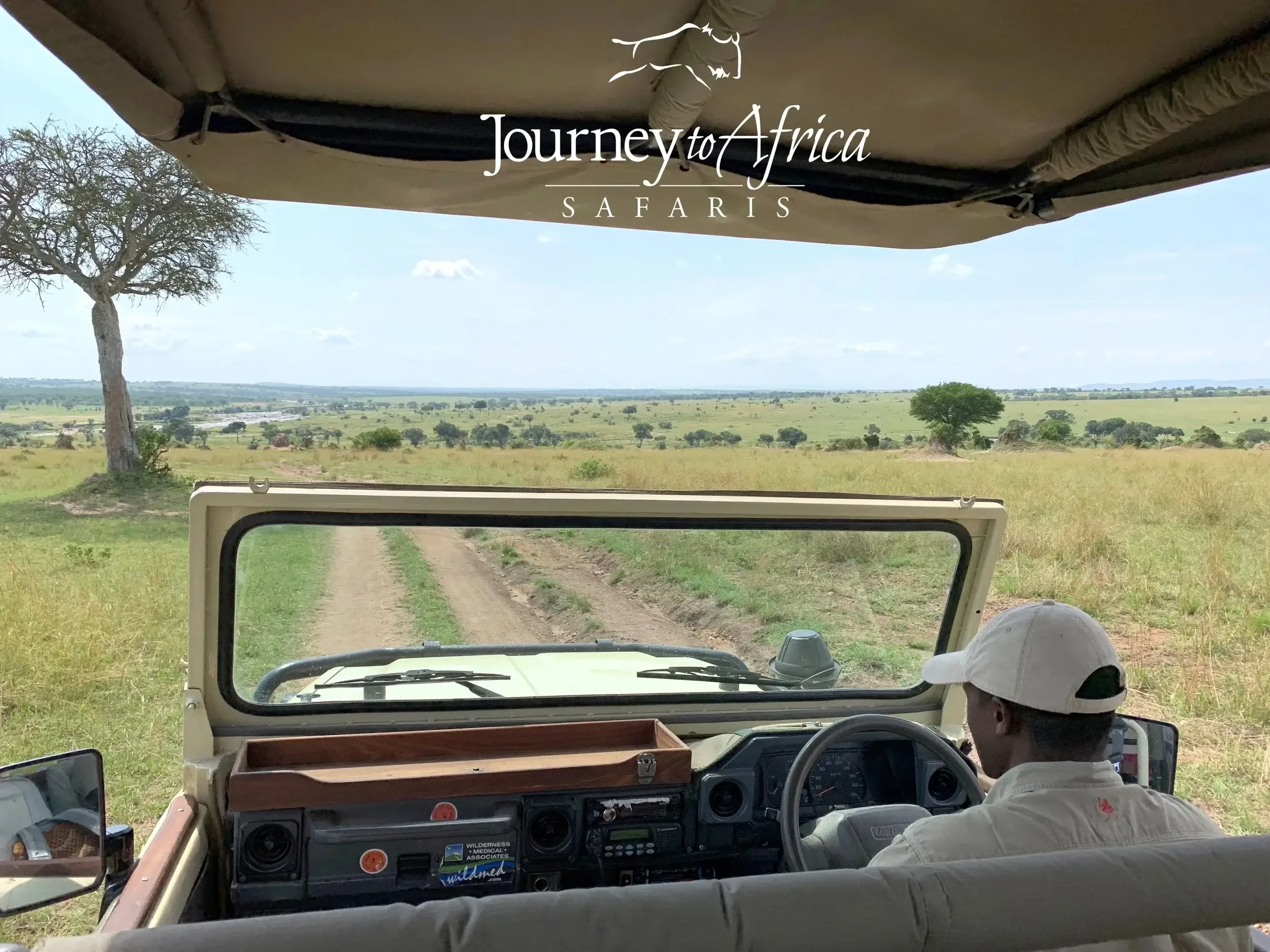
Your guide is exactly that – the person who’ll lead the way to a safe, memorable Safari. And trust me when I tell you they know the bush (and its inhabitants) like it’s their backyard (because it is!).

In short, if you listen and respect your guide (and share your personal Safari check list with them), you’re in for an African adventure of note. Here are a few golden rules when it comes to Safari guide etiquette.

1. Trust their expertise:
Your guide isn’t just a Safari driver. They’re naturalists, storytellers, ambassadors, and guardians of the wild. Trust their decisions, respect their knowledge, and be open to suggestions. They’ve spent years honing their craft and are passionate about sharing it with you.

2. Active listening is key:
When your guide speaks, truly listen. Absorb their insights about animal behavior, local ecosystems, and cultural traditions. Ask questions to deepen your understanding and engage in meaningful conversations.

3. Respect their boundaries:
Remember, your guide is a professional. Be mindful of their time and energy, and avoid making unreasonable requests, such as going off-road, that could compromise their well-being or the safety of the group.

4. Follow their lead:
As mentioned, your guide is responsible for your safety and the well-being of the wildlife. Always follow their instructions, even if you don't fully understand the reasoning behind it. Their decisions are based on experience and a deep respect for the environment.

5. Open communication is crucial:
If you have specific interests or concerns, don’t hesitate to communicate them with your guide. They’ll do their best to accommodate your preferences while sticking to ethical and eco-conscious practices.

6. Gratitude goes a long way:
A heartfelt “thank you” can make all the difference. Express your appreciation for your guide’s hard work, dedication, and the unique perspective they bring to your safari experience. You might find the relationship you strike up with your guide is the ultimate highlight of your trip, as it is with so many of my guests.
“Our guide Moss was a badass. He knew where to go for optimal viewing to make the experience so memorable.”
- Niharika M. Botswana and Zimbabwe Safari

7. Tipping:
In the Safari world, tipping is a way to acknowledge the exceptional service provided by your guide. It’s a gesture of gratitude that goes beyond words, and it’s always appreciated!

And those are the basics! You’re now prepared to make the most of your African escape with your Safari guide by your side. Ready, set, Safari!