Safari Planning

India Through Safari Eyes!

Mefi here.

I just got back from India. My first time.

I know what you're thinking - Mefi, aren't you Indian? Yes. But Fifth-generation Tanzanian-Indian. I grew up watching Indian movies, speaking Hindi at home, eating the food, living the culture. I felt like I'd already been there. That strange familiarity you get from a place you've never actually set foot in but it somehow felt nostalgic. 

Why Am I Telling You This?

Over the years, a few of you have asked me: "Mefi, can you plan our trip to India the way you plan our Safaris?” I'd always hesitated as I didn't know India firsthand. I know Africa. I know the lodges, the guides, the rhythm of Safari so well. I know what exceptional hospitality looks like because I've lived it, tested it, sent hundreds of guests into it. But India? I needed to see it for myself.

So, this December, my family and I went. Delhi, Agra, Jaipur, Udaipur, Mumbai. We stayed in everything from intimate homestays to the gorgeous Taj Lake Palace in Udaipar. I worked with a great ground operator to book this trip, and I was watching everything with my Safari Specialist eagle eyes… The logistics, the guides, the hospitality, the details.

THE SAFARI PARALLELS:

Everyone I talked to before going said the same thing: The hospitality in India is exceptional. A level above. They weren’t wrong! But what struck me was that this is what we already do on Safari. As someone who plans Safaris for a living, I couldn't help but look at everything through that lens and find some parallels…

The Hospitality:

Everywhere we stayed felt warm and truly welcoming. When we arrived at Taj Lake Palace, they threw flower petals as we walked in. In all the other places, we felt special too as they all offered us a blessing on arrival. It reminded me of the when you arrive at some camps and the team dance and sing. There's that same energy, that same intention to make you feel special from the moment you step into a place.

Guides:

they were great. English-speaking, knowledgeable, connected. They knew how to navigate the crowds, where to take us for snacks when we were hungry but not ready for a full meal, and maybe most importantly, which street food was safe and which was best seen and not tasted! The last thing you want is to be sick and stuck somewhere far from home. We also had a different guide in each city, one that was local to the area so whilst we didn't get to know one guide as well as you might on a longer Safari, the local knowledge from place to place was incredible. They looked after us the way our Safari guides look after you.

Moments of Calm, and the ritual of a cup of chai or coffee:

At one of my favourite boutique hotel on the trip, Jobner Bagh in Jaipur, I'd wake up to twinkling courtyard lights, perfectly set tables with a single small flower in a vase, and a cup of chai waiting for me as the cool morning settled in. That same attention to beauty and comfort you get on Safari after you've come from the hectic, chaotic outside world. Given, the outside world in India is a different type of chaos to that of Safari - wildebeest or a lion kill versus the noise and bustle of the city, but the calm you feel with your cup of chai is a similar kind of bliss. I loved it.

The Logistics:

Airport to airport, we were taken care of. A rep met us at every transition point. WhatsApp groups kept us connected to the main office and our guides. If we changed our minds about an activity or wanted to skip something, it was handled seamlessly. Just like being on Safari.

Little Details:

I was looking at how tables were set. The lighting. The smell (oh my, the smell at Taj Lake Palace - they gave us incense when we left so we could recreate that scent at home. Genius). The way staff at all the places remembered Joe (my husband) needed lactose-free milk. These are the details that matter and a reminder for us to make sure these little details are always looked after on our Safaris. 

So here's what I learned: the places we send you on Safari? They're on par with some of the best hospitality in the world. India was beautiful, moving, chaotic, incredible. But I came home thinking about our Safaris - the standards we hold ourselves to, the lodges we choose, the guides we trust - and it’s a good feeling knowing we are doing it right!


WHAT I LOVED MOST

One of my favorite places was Jaipur. I didn't get enough time there. The kids were done with palaces but I could spend more time just wandering about.

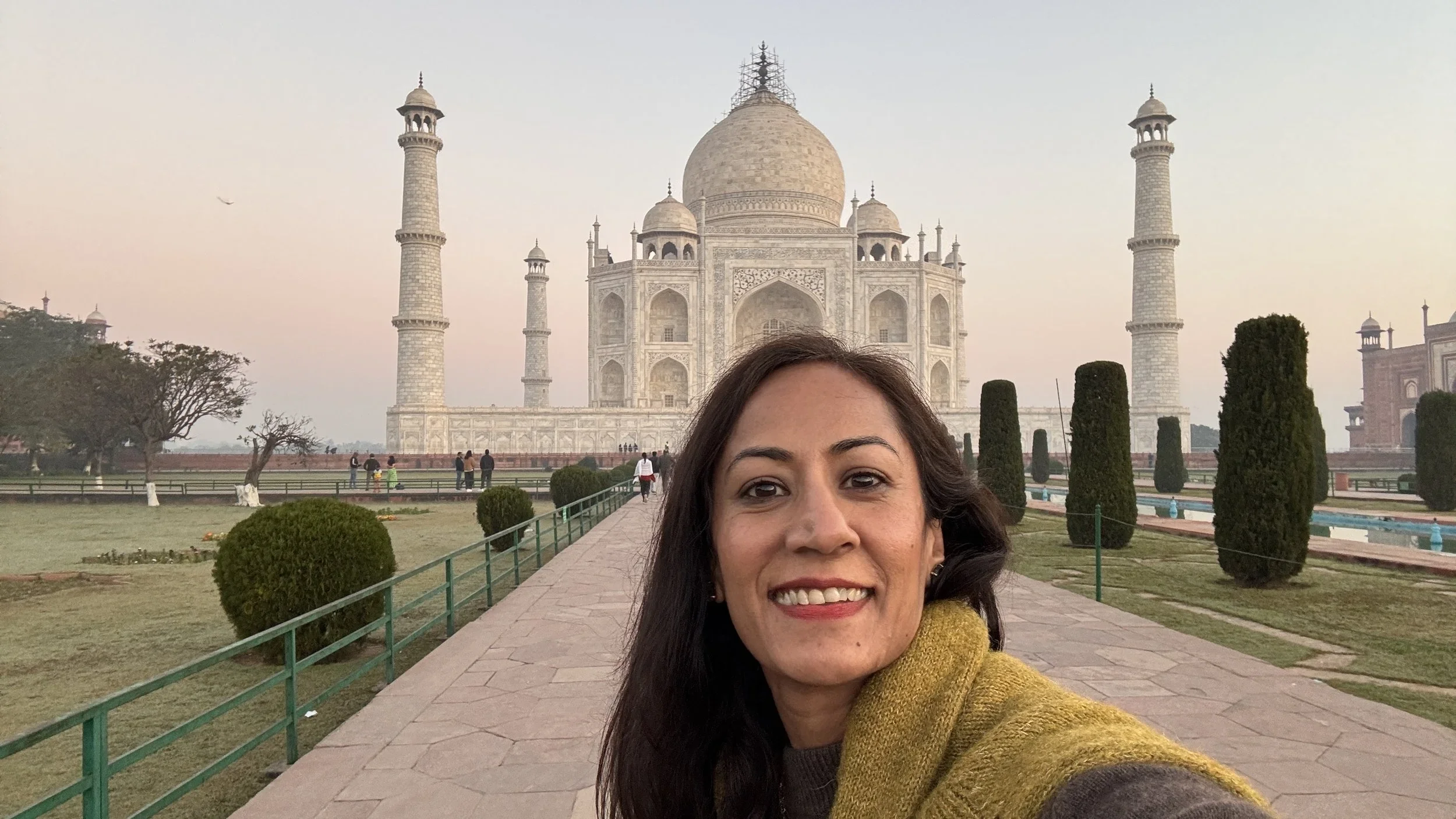
Our visit to The Taj Mahal in Agra was a on crystal clear clear day. Five days before we got there, you couldn't see it from 30 feet away because of fog. We got so lucky.

Qutb Minar in Delhi. The calm you feel in this place, even with the crowds.
The whole trip reminded me why I love what I do. Testing new places, understanding what makes hospitality exceptional, knowing I can send people somewhere and they'll be taken care of the way I want them to be taken care of.

SO... INDIA?

A few of you have asked if Journey to Africa would ever plan trips to India.

The answer is: Yes! I'm not saying we're launching India trips for everyone. But if it's been on your list? And if you want someone who understands what exceptional travel looks like to put it together for you? We can do that now. We have a ground operator we trust. I know what the experience looks like and what works. If you've been on Safari with us and loved how we handled everything airport to airport, the way we chose places that balanced beauty with comfort and exceptional guiding, then India could be that for you too. That's what Safari is. And now I know India can be that too.

If you've been curious, let's chat.

Mefi

Gift Guide for the Safari Goer.

Need some ideas of what to get yourself or your loved one?
If you are going on a Safari or are a Safari enthusiast, here are some ideas that we can personally vouch for…

Seeking Information - my personal favorites:

  • Love, Life, and Elephants: An African Love Story by Daphne Sheldrick.
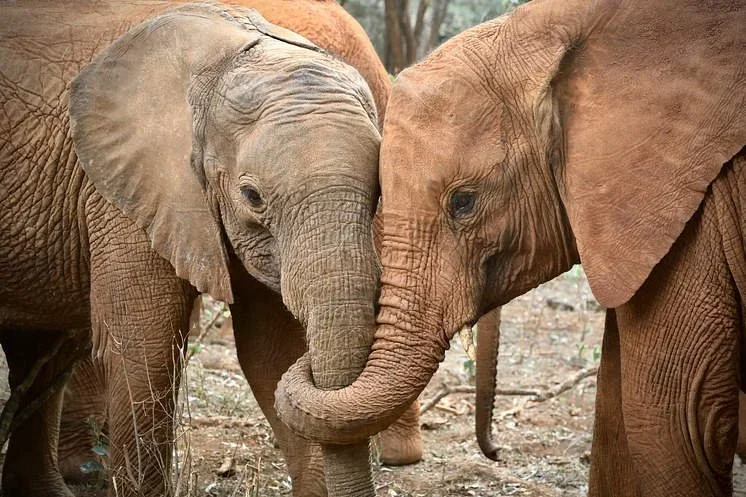
    Dame Daphne Sheldrick is an icon. She has done amazing work for the orphaned elephants in Kenya. We love taking our guests to the David Sheldrick Wildlife Trust in Nairobi, Kenya were you can adopt and pet an elephant. You can read about her ‘why’ in this book.

  • The Elephant Whisperer - by Lawrence Anthony.
    What a story about how deep one can go because they love an animal. Anthony was one of those people for the elephants in South Africa. You will have a chuckle as well reading about how smart those elephants are as well.

  • Beat About The Bush by Trevor Carnaby.
    This field guide tells you a story about the wildlife and birds. Things like 'do elephants have good memories?' to 'why do lions have manes?'. Fun Facts. I reference this book often when I am trying to learn about an animal. I also gave this book as a gift to my daughter’s friend who wants to be a vet and loves to share information about animals.

  • The Birds of East Africa by Terry Stevenson.
    Give birds a chance. Once you start paying attention to birds, you will be hooked. Coo Coo. I don’t take this book on Safari because of the weight of this book. When I am back and reviewing my bird pictures, I use this book to identify.

    Tip - I never seem to remember bird names. I write them down on my Notes App [I have an IPhone] or my notebook when the Safari guide tells me the names or shows me their bird book. When I am sorting my pictures at home, it becomes a fun game to try to match the picture and the bird using this guide.

  • The Overstory by Richard Powers.
    Nothing to do with Safari but if you love nature, this one is a good book to read. You will not look at trees the same way. Richard Powers is Pulitzer Prized author living in the Smokey Mountain in the US - another gorgeous area in this lovely planet.

  • Brush-Tail Games
    Be a penguin scientist! Yes, seriously. This board game will delight nature lovers of every age. Perfect for those who have seen a penguin on their Safari in South Africa or are planning on going to see Penguins.

Photography:
My favorite hobby.  I have moved on from being a hobbyist to amateur, ahem, and one of my favorite gifts to myself has been my camera.

If you or your partner are looking into buying a camera and are new to the camera game, I would recommend:

  • a Canon T7, a good starter DSLR camera. I had a T3 when I started and I still use pictures from that camera.

  • If you know you are going to use your camera often, get my current crop body Canon 80D - not a full frame camera but one that I can use outside of Safari. After many years of borrowing from Photo Rental Source [ummh, could have paid for the lens with all the borrowing I did], I finally bought the Canon 70-300 mm lens. Not too heavy for me and gives me the reach I need. A lot of my photography friends recommended the Canon 100-400 mm lens. This may be a good lens to borrow - see my notes below.

  • Want the mother-load camera? Then go all out for the Canon 5DMarkIII. If you are a pro- you know about this camera already.

  • I know many of my professional Safari guide friends use Sony. If I was looking at a Sony for my future Safari, this Sony AR111 is what I would be getting. I would borrow a telephoto lens.

  • iPhones are also getting better and better and sometimes just easier and quicker to use. I saw a few of my guests getting this wide angle and macro kit to take on Safari and use in their day-to-day.

If you want to do a good point and shoot, my client Natalie got the Canon Powershot. My Safari guide in Congo, Lucy recommends Sony RX 10 IV. She has some great photographs and videos with this compact camera from her Safaris all over Africa.

The other option is renting camera body and lens. Photo Rental Source is my go to place in Houston and they ship nationwide. B&H Photo have used lens that would also work or call them to get camera ideas. They are fantastic and will guide you with the hundreds of options out there.

Binoculars:
After a day or two on a game drive, everyone gets into the searching-mode for wildlife and birds with hawk-eyed Safari guides. A professional guide / guide trainer recommended these Vortex binoculars to me. The key to good binoculars he said, to simplify the complicated science behind the machine, is 10x42 and good prism glass. I have had these for a few years and a few of my Safari guide friends also use these so I know I am in good company.

Tech Tool to consider:

  • The Anker Battery for my IPhone - I always take this with me. Times when I have been grateful I have had it is when I am on planes. You need to have your phone for boarding pass, etc and a low battery for me is stressful. When the room does not have a charging station close to the bed. My IPhone is always charged this way for photos, music listening for the room, etc.

Organizations we trust

These are our personal favorites because we can vouch that your gift will be put to good use. If you are going on Safari, we can arrange a visit or meeting. If you have been to these places or met our contacts on your Safari, we hope you agree. 

David Sheldrick Wildlife Trust - they are amazing. From anti-poaching to caring for young elephants; you can donate or foster one or more elephants. My elephant is Ndoto. 

  • Carbon Tanzania - if you go on a Safari with us, you are already contributing to this great organization because all of our partners on the ground [a requirement for us to use them] offset carbon footprint with them. We can always do more. 

  • Rift Valley Children's Home - we stop every time we go to Ngorongoro and continue to be impressed with how happy, loved and smart the kids are here. Kudos to a great team lead by Mama India and Baba Peter. 

  • Honeyguide Foundation - we know Damian Bell and have seen him in action with ranger training. They protect the precious wildlife from human-wildlife conflict - a big issue - to poaching related matter. Wildlife is threatened from all sides - we must do all we can to help save so many species from extinction. 

  • Big Life Foundation - goodness they have a task. They take care of a large areas in Kenya but also partner with other areas in Tanzania. From anti-poaching to providing water during drought to veterinarian work, etc. They work with David Sheldrick Wildlife Trust when dealing with elephants they find orphaned around Kenya.

  • Reteti Elephant Sanctuary The world’s first Indigenous community-owned African elephant sanctuary. Georgie’s favorite place where you see the impact of community conservation. If you’re going to Northern Kenya, or you have to get to Reteti. Its remote, but some beautiful lodges to stay at nearby like Sarara. if you’re looking for a gift that is doing good, then adopting a baby elephant for someone is very special - you’ll see your direct impact and how it is helping shape this part of the world.

Ethical Shopping:
If you are into sustainable fashion, you will love that when you purchase items from these selected sellers. You are supporting females, like the Maasai ladies in the villages in Northern Tanzania or local artisans who can continue to support their families through your purchase.

  • Sidai Designs is a company helping the Maasai ladies. Their jewelry is sustainable and modern enough to wear on a daily bases. I love my few pieces that I have from them. If you are in Arusha, Tanzania, we can arrange for you to spend time with the Maasai mamas.

  • Adele Dejak. I first saw my colleague Brook wear her rings many moons ago and fell in love with them. I spotted them in South Africa at Sabi Sabi Lodge but wanted to wait until I got to Nairobi, Kenya to buy my beloved pieces from their original store and I did! These three rings are [I can use them as self-defence if needed I think] my most worn items but they have so many other cool pieces. Oh, and in Dec 2022, she was in Senegal dressing the models from Chanel for their runway walk. Pretty cool Adele!

Clothing:
When on Safari, you want to be comfortable. There is really no dress code, but, if you want to ‘blend -in’ a bit, we recommend wear clothing that has SPF, dry fast should there by a light shower or so, and colors that mix in with nature.

  • When I was in The Republic of Congo, I took this Amazon Shirt [similar if sold out] with me and surprising, it was my most worn shirt. Now for my Safaris in Eastern and Southern Africa, I have not always taken my own advice [our packing list guide] and worn black and blue. But in The Republic of Congo - that was a no-go. The tse-tse flies there are extra nasty especially on the river so this shirt was my most worn shirt on the Safari, on repeat too, after many sweaty walks and you know, the people around me were not complaining of foul odor. :)

  • Comfortable pants are a must. From game driving all day, walking in them - from knee deep to chimp trekking to light stroll, having the stretch to get in the Safari vehicle, quick drying from the sprinkle, etc. I am sure you have those pants in the closet. However, if you are looking for my recommendation, I have had Kuhl brand pants that I have been wearing for the past six’ish years and they have been with me on multiple Safaris. [Similar Kuhl Pants or these one from Baleaf are also good as per a few guests of mine and my daughter]. For men, my husband and son wear these one.

    Get good ones because the Safari bug is real - as in - you will go on multiple Safaris I promise. Purchase ones you like so you can re-wear.

We hope you found something useful for you or your Safari partner, loved one. Need more ideas? Reach out to us and we can brain storm a bit more.